


Rapidly Deployable Camp Solutions for Remote Access Locations
Fly-in camps from Alaska Structures® are specifically designed for projects located in areas without road access, where all personnel, equipment, and materials must be transported by air. These camps support operations in remote wilderness, mountainous terrain, deserts, tropical regions, Arctic environments, coastal areas, and other isolated project locations where logistical efficiency is critical to project success.
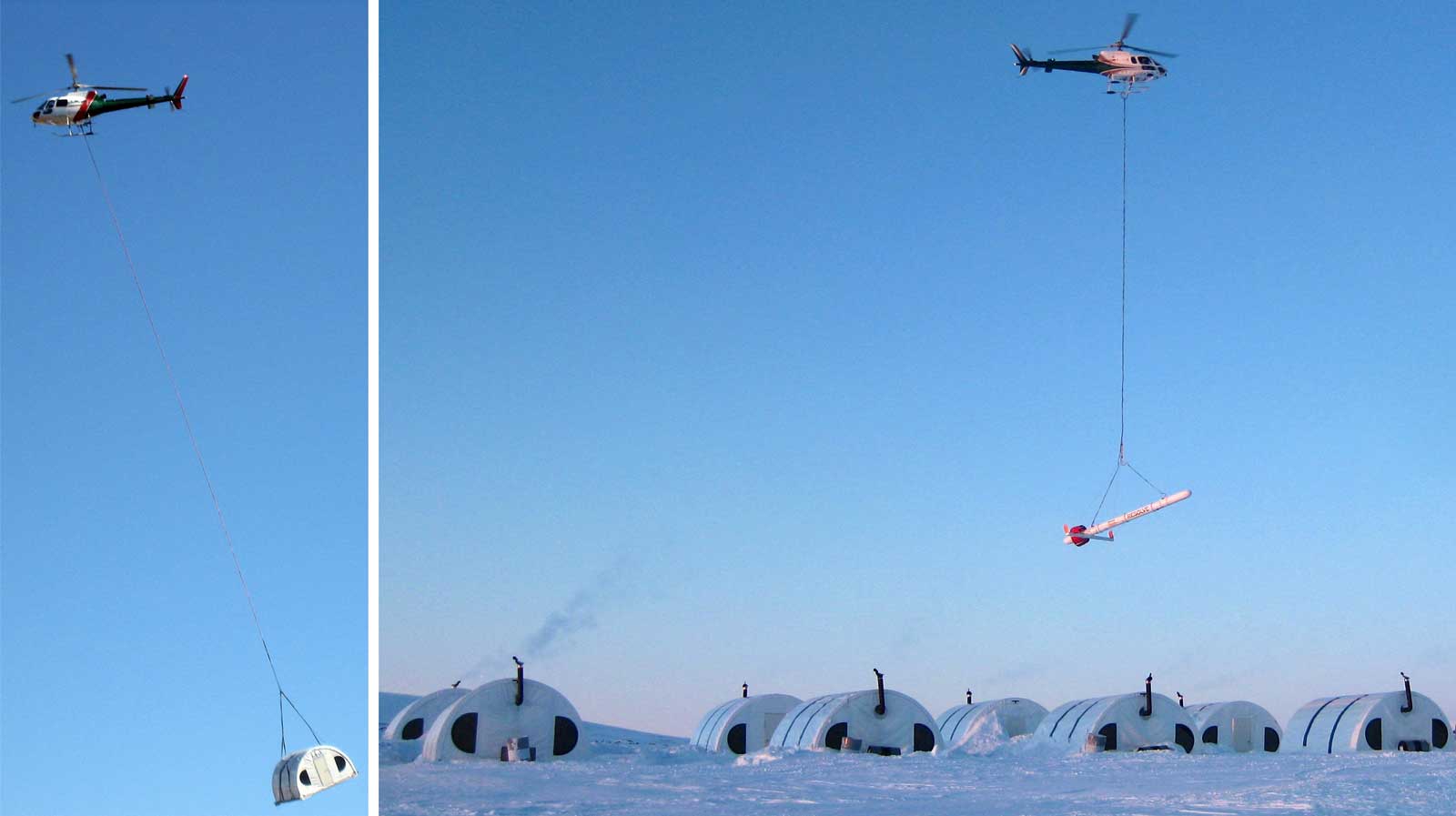
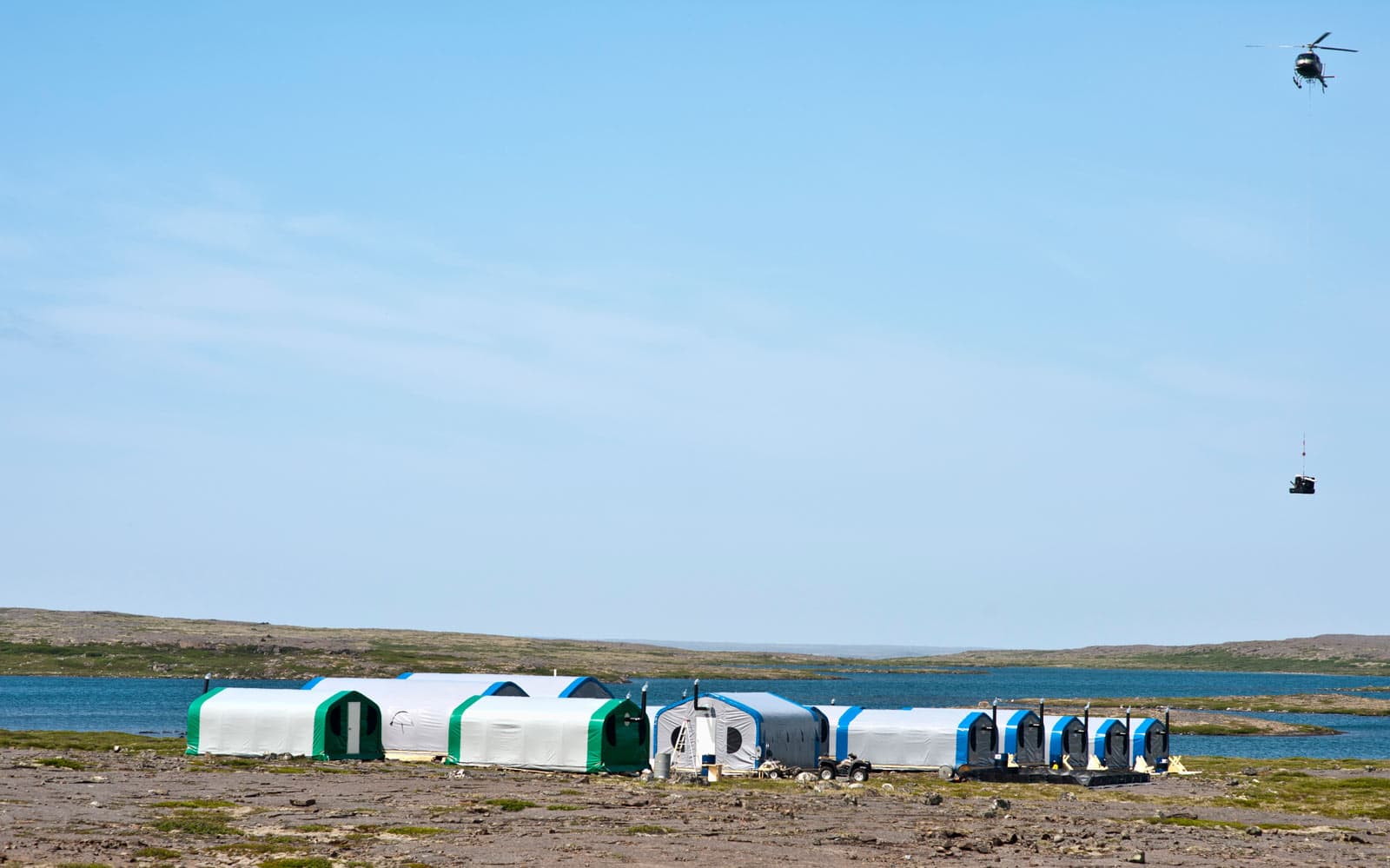
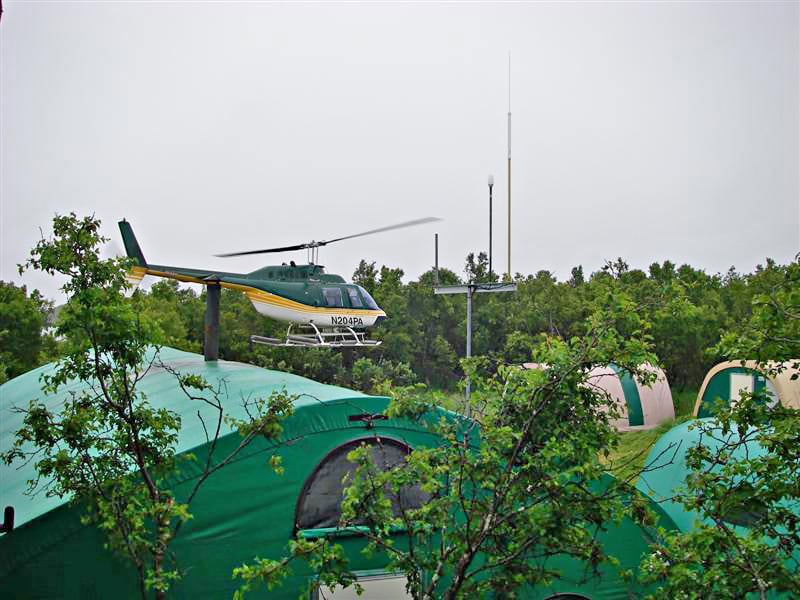
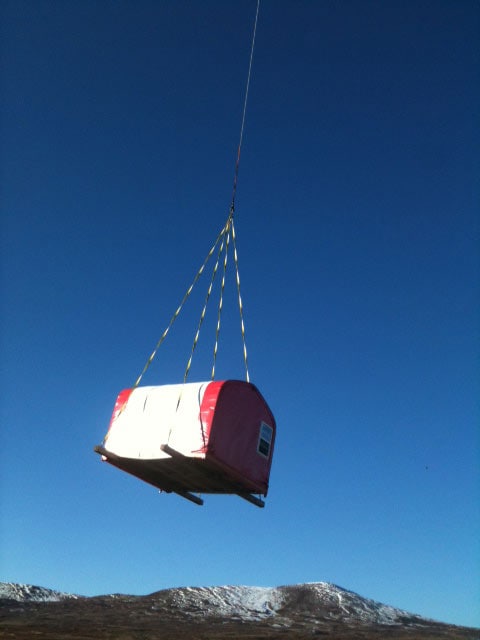
Unlike traditional camp systems that rely on ground-based transport and extended setup timelines, Alaska Structures® fly-in camps are engineered for compact packaging, reduced shipping weight, and efficient handling. Pre-engineered fabric buildings can be transported via fixed-wing aircraft or helicopter sling loads, allowing for rapid mobilization into areas that would otherwise be inaccessible.
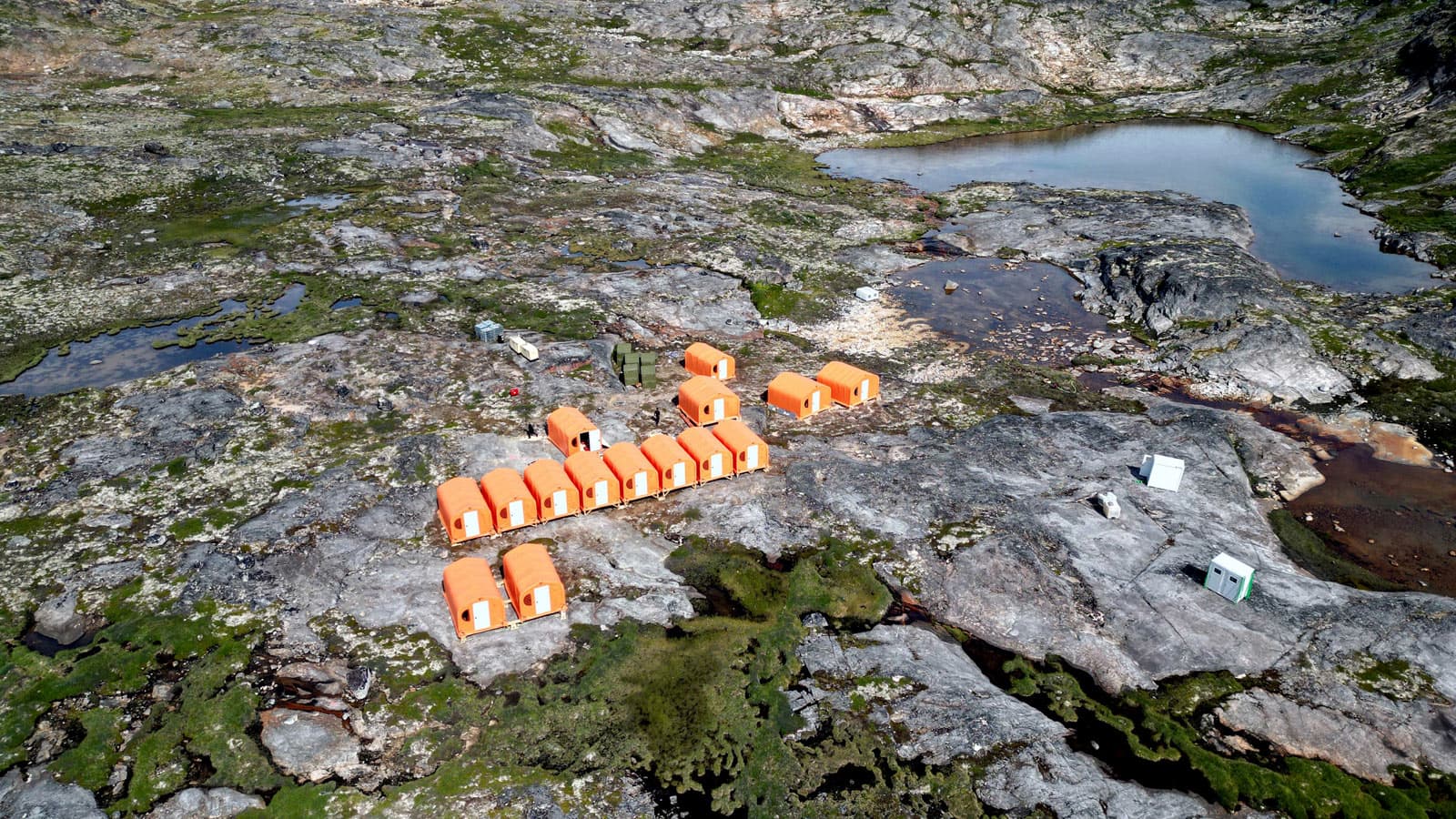
Fly-in camps are commonly deployed for mineral exploration, environmental and geotechnical studies, remote infrastructure assessments, and scientific field operations. These camps are designed to support teams operating in a wide range of environments—from high-altitude and polar regions to deserts, jungles, and coastal locations—while maintaining structural reliability and operational efficiency.
Benefits of Fly-In Camps from Alaska Structures®
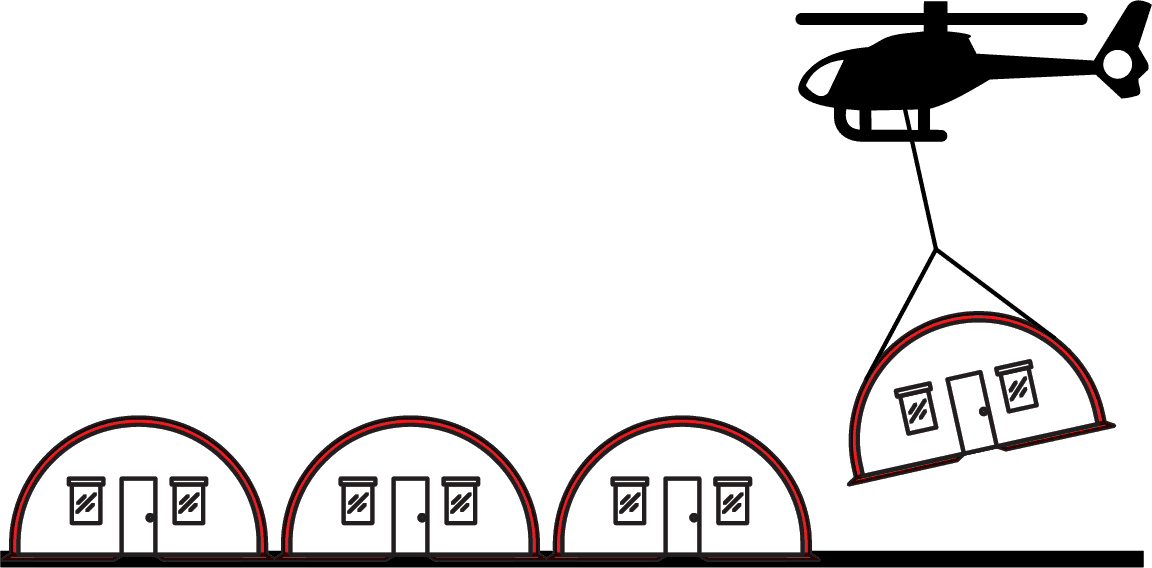
Engineered for Air Transport and Remote Deployment
Fly-in camps utilize pre-engineered fabric buildings designed for compact shipping and efficient transport by aircraft or helicopter. This enables rapid mobilization into remote locations without reliance on road infrastructure.
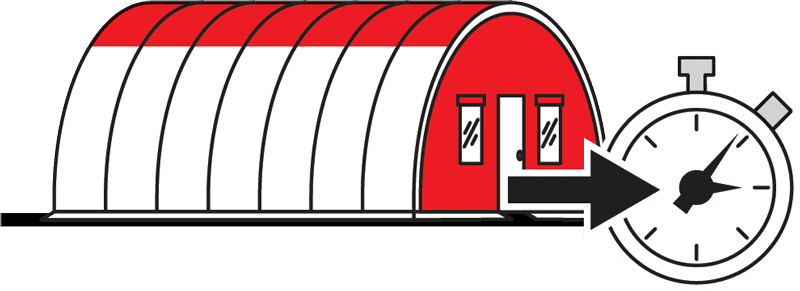
Rapid Setup and Takedown
Our tensioned fabric buildings are designed for quick assembly and disassembly, allowing teams to establish operational camps in minimal time and relocate as project requirements evolve.
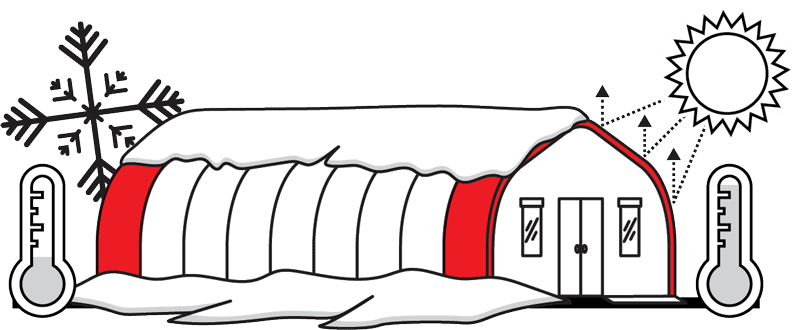
Fabric Structures Engineers for Extreme Environments
Modular fabric buildings from Alaska Structures® are engineered to meet required wind and snow loads, providing dependable shelter in environments ranging from Arctic and Antarctic conditions to deserts, tropical climates, coastal regions, and high-altitude terrain where conditions can change rapidly.
Lightweight, High-Strength Building Systems
Fabric structures provide an optimal balance of strength and weight, allowing for easier transport while maintaining durability and long-term performance in remote deployments.
Flexible Camp Configurations for Remote Teams
Fly-in camps can be configured to support exploration crews, survey teams, researchers, and field personnel with essential facilities tailored to mission-specific requirements.

Proven Performance in Remote and Inaccessible Regions
With decades of experience supporting remote operations worldwide, Alaska Structures® provides reliable building systems that perform in some of the most logistically challenging environments on earth.
Example Facilities in a Fly-In Camp
Fly-in camps are designed to provide essential living and operational facilities while maintaining a minimal logistical footprint. Configurations focus on efficiency, portability, and rapid deployment, ensuring teams can operate safely and effectively in remote environments worldwide.
Typical fly-in camp components may include:
- Compact sleeping quarters for field teams and support personnel
- Combined kitchen and dining shelters to maximize efficiency
- Field offices for communications, data collection, and coordination
- Equipment storage structures for tools, supplies, and field gear
- Drill enclosures for mineral exploration programs
- Core logging, sample storage, or temporary laboratory facilities
- Environmental monitoring or survey buildings
- Power generation and utility support systems
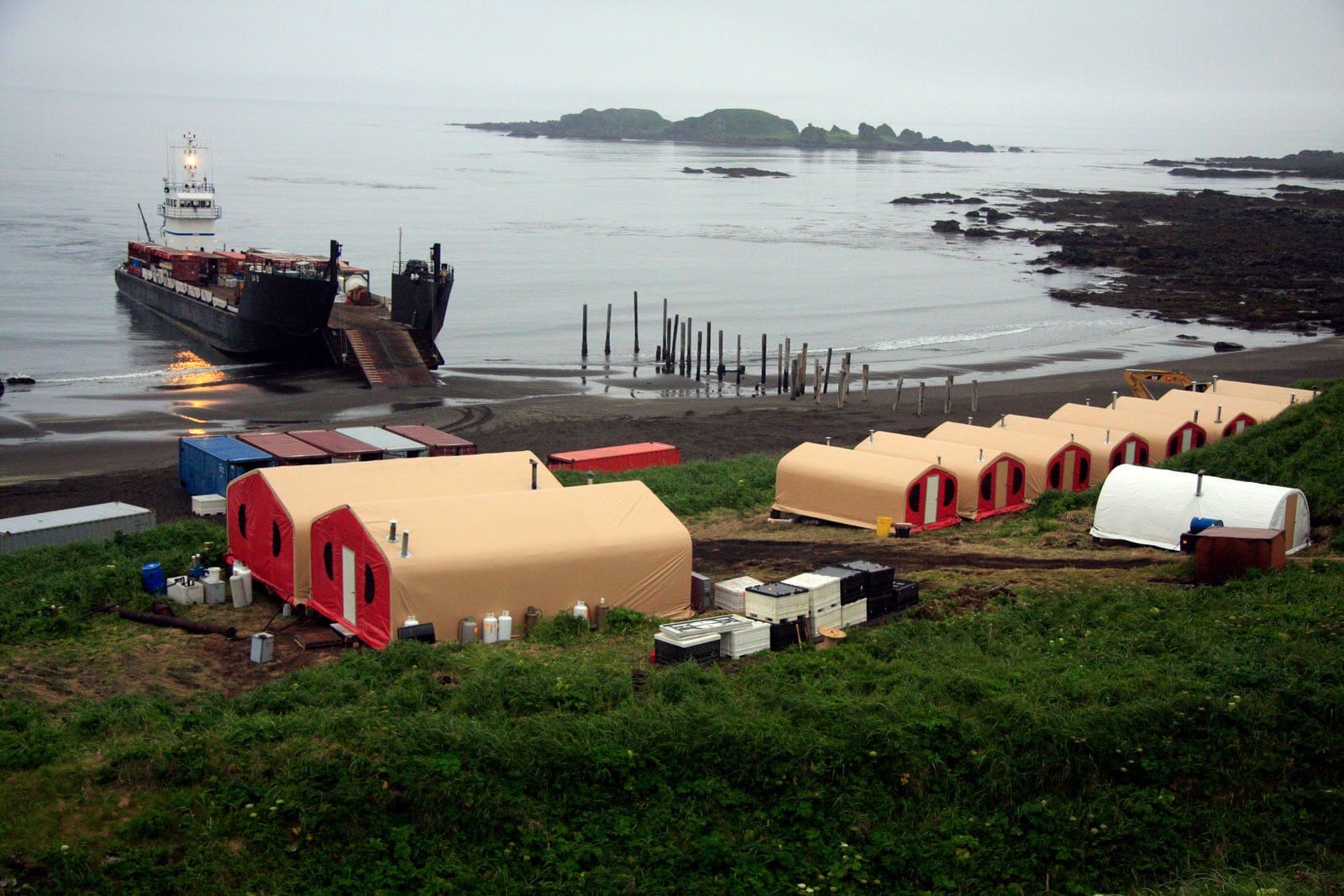
Fly-in camps from Alaska Structures® are engineered for deployment on virtually any level surface, including compacted soil, gravel, ice, or other remote terrain conditions. Multiple anchoring solutions are available, including staking, concrete anchoring, and ballast frame systems designed for environmentally sensitive areas or sites where ground penetration is not feasible. This approach enables secure installation while minimizing environmental impact and meeting project-specific site requirements.
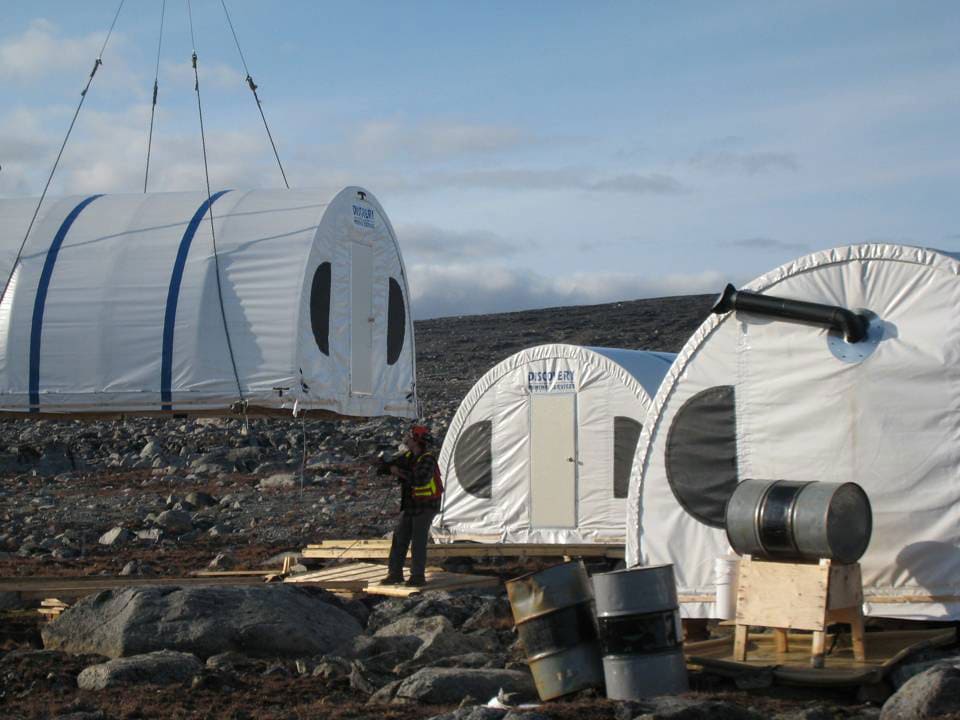
Fly-In Camps Gallery
Alaska Defense™ is now the military division of AKS Industries, Inc. You’ve
indicated your request is for a military requirement.
Please visit the Alaska Defense™ website (www.alaskadefense.com) for
military shelter systems and products.
SHARE YOUR CART