


Research Camps for Scientific and Field Operations
Scientific research is often conducted in environments where infrastructure is limited or non-existent—ranging from polar ice sheets and Arctic tundra to tropical ecosystems and coastal regions. Alaska Structures® designs and manufactures research camps and facilities that provide reliable, adaptable infrastructure to support these missions.
Pre-engineered fabric buildings are used to create fully functional research environments, including laboratories, housing, dining facilities, equipment enclosures, and specialized structures for drilling, excavation, and environmental monitoring. Each solution is engineered for the specific climate and operational requirements of the project, ensuring safe, consistent conditions for personnel and the protection of sensitive equipment and data.
Whether supporting short-term field studies or long-term scientific programs, these research camps and facilities provide the infrastructure required for exploration, analysis, and discovery in locations where permanent construction is impractical.
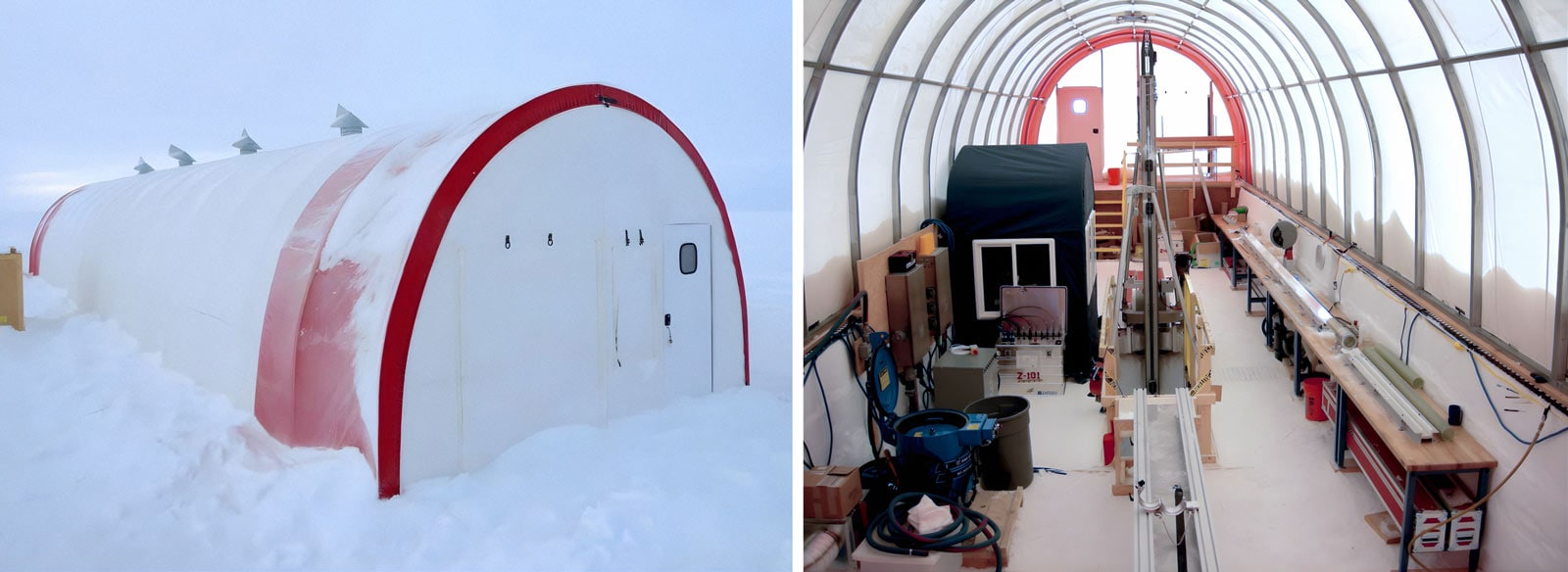
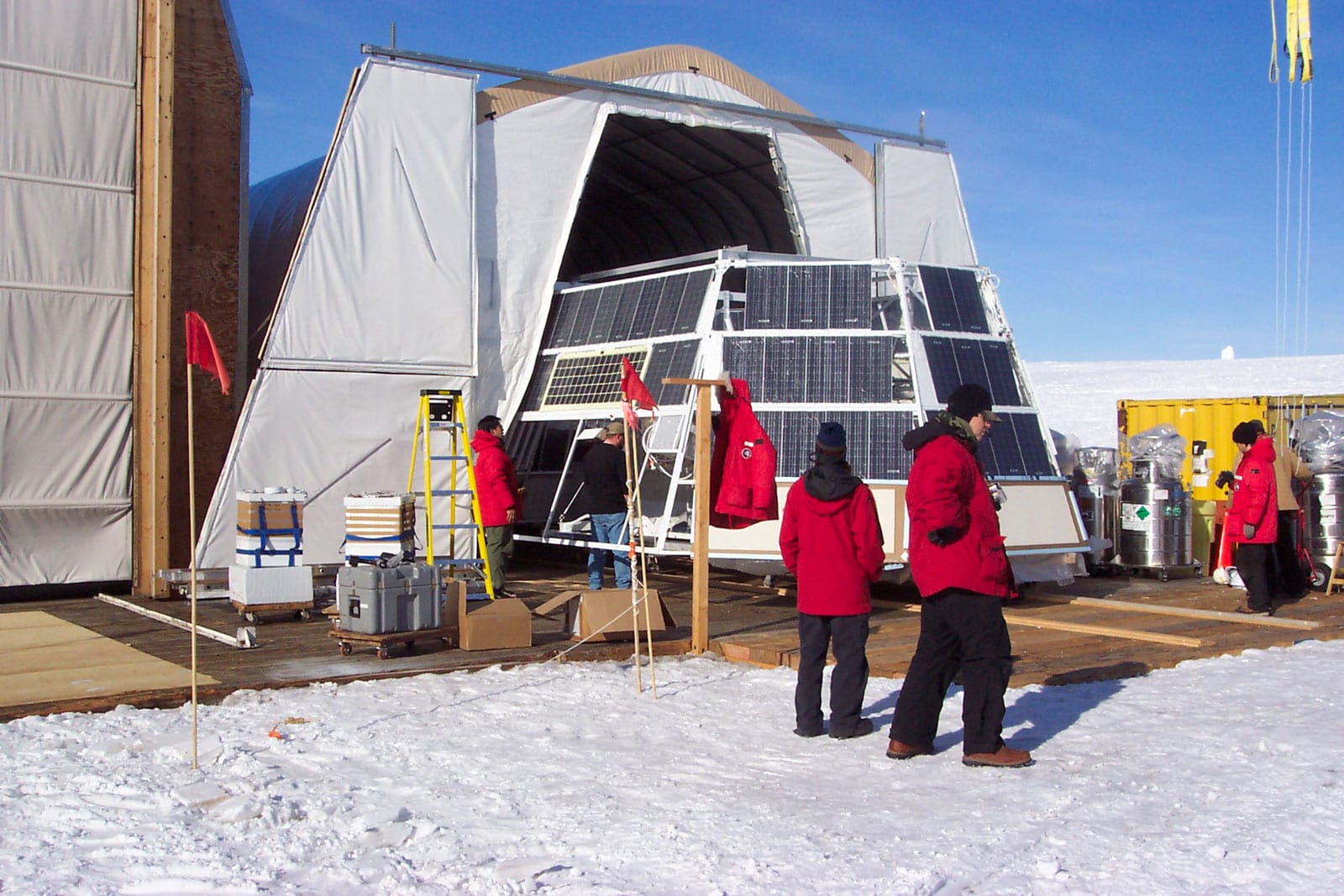
Photo courtesy of University of Wisconsin.
Benefits of Research Camps & Facilities from Alaska Structures®
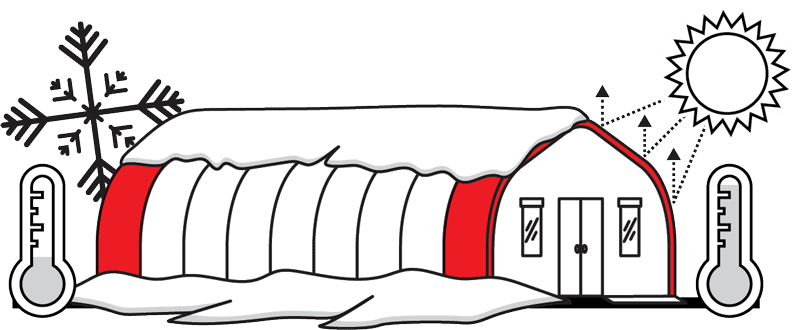
Engineered Protection in Extreme Environments
Pre-engineered fabric buildings provide stable, climate-controlled environments to protect personnel, sensitive equipment, and research operations. Designed to meet site-specific wind, snow, and environmental loads, these structures ensure safe, reliable performance in conditions ranging from polar regions to tropical ecosystems.

Building Solutions of Any Size or Scope
From single laboratory structures to fully integrated research camps, building systems can be engineered to meet the specific scale and requirements of any project—supporting both small field teams and large, multi-facility operations.
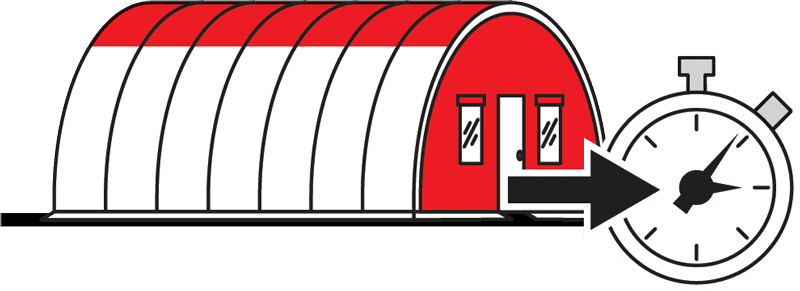
Rapid Deployment for Remote Field Programs
Building systems are designed for efficient transport and fast installation, enabling research teams to quickly establish operations in remote or undeveloped locations.
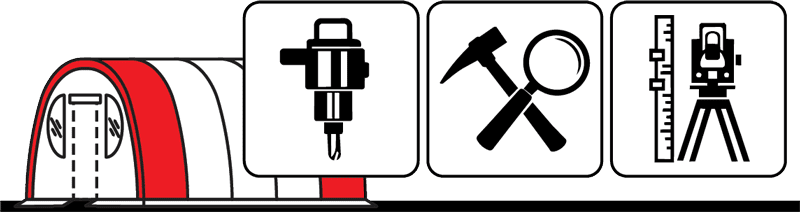
Adaptable Layouts for Evolving Research Needs
Facilities can be configured and reconfigured to support laboratories, drill enclosures, excavation sites, housing, and field offices as research programs progress.
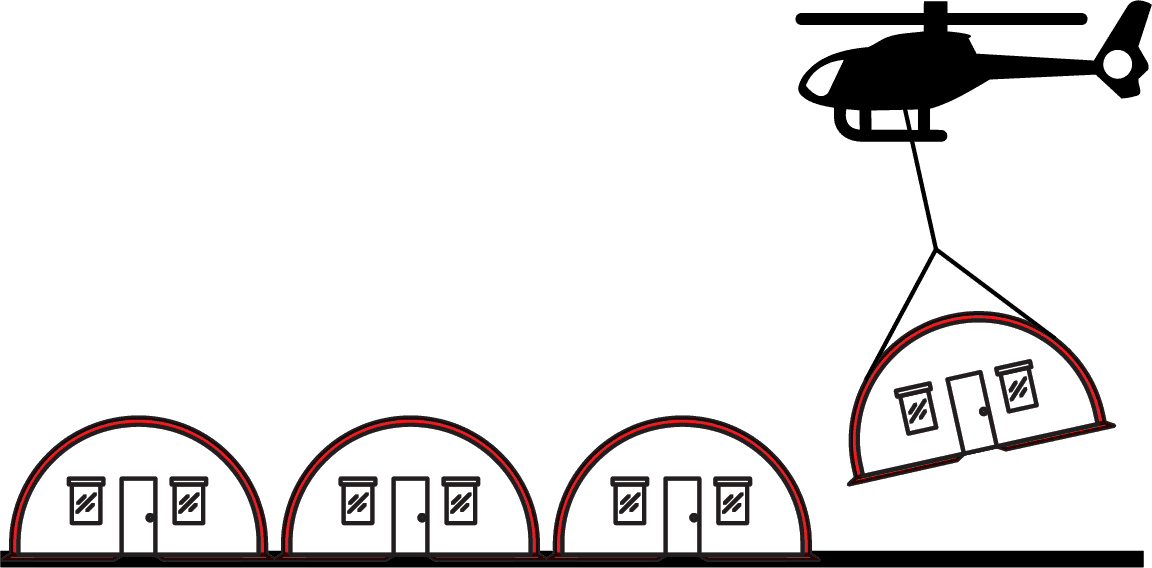
Lightweight Systems for Difficult Access Sites
Structures are engineered for compact shipping and can be transported via truck, aircraft, or helicopter—ideal for remote research locations with limited infrastructure.

Low-Impact Installation for Sensitive Environments
Minimal foundation requirements and non-invasive anchoring options allow deployment in environmentally sensitive areas while reducing long-term site disturbance.
Purpose-Built Facilities for Science and Discovery
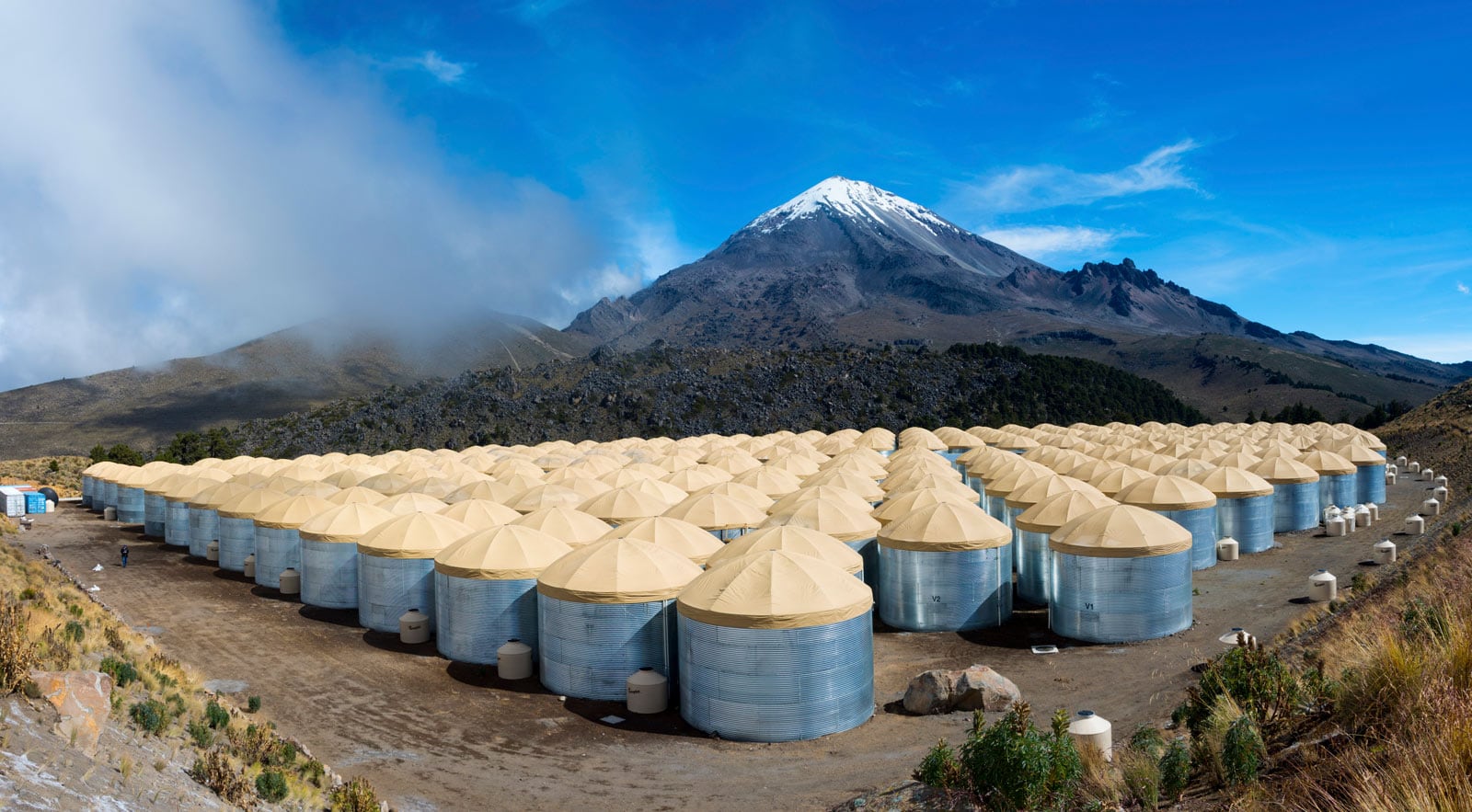
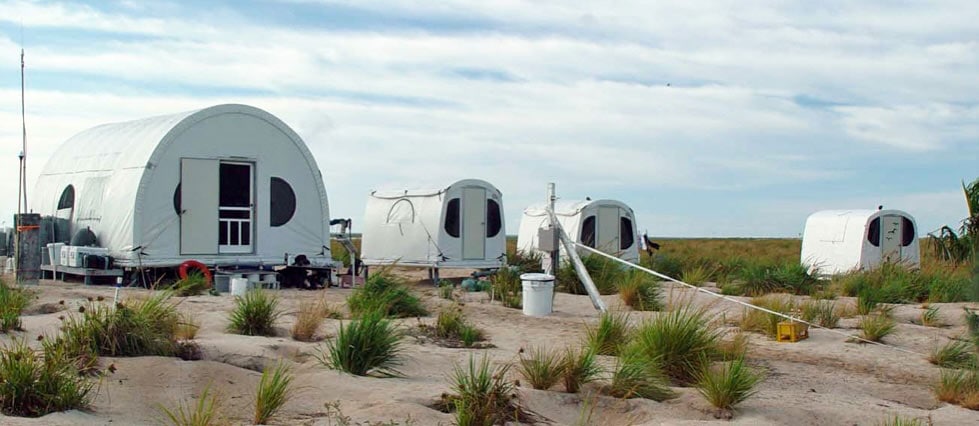
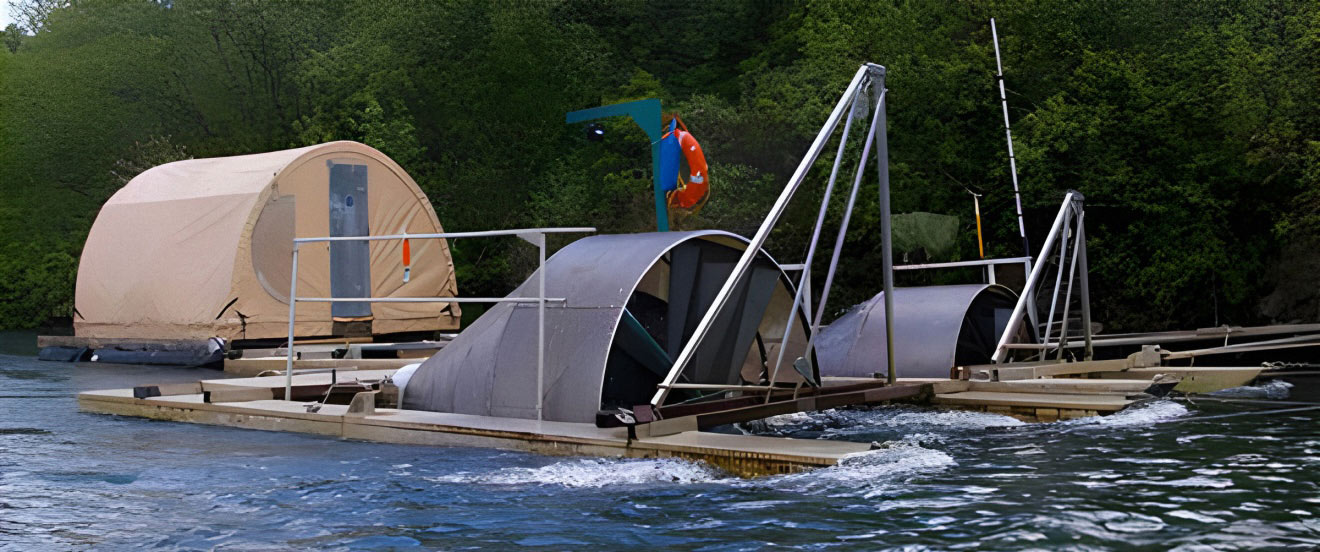
Research environments demand more than shelter—they require infrastructure that supports precision work, protects sensitive equipment, and enables collaboration in isolated and often extreme conditions.
Fabric buildings from Alaska Structures® are used to create:
- Laboratory facilities for biological, geological, and environmental research
- Core logging and sample processing facilities
- Archaeological dig enclosures and protected excavation sites
- Drill enclosures for ice, mineral, and geotechnical exploration
- Equipment storage and maintenance facilities
- Dining halls, kitchens, and communal gathering spaces
- Sleeping quarters and housing for research personnel
Open-span interiors provide flexible layouts to accommodate specialized equipment and evolving research needs without interior obstructions. Buildings can be configured with insulation systems, lighting, electrical distribution, HVAC, and modular flooring to meet precise operational requirements.
FEATURED RESEARCH CAMPS & SCIENTIFIC FIELD PROJECTS
NEEM CAMP | GREENLAND ICE CORE RESEARCH
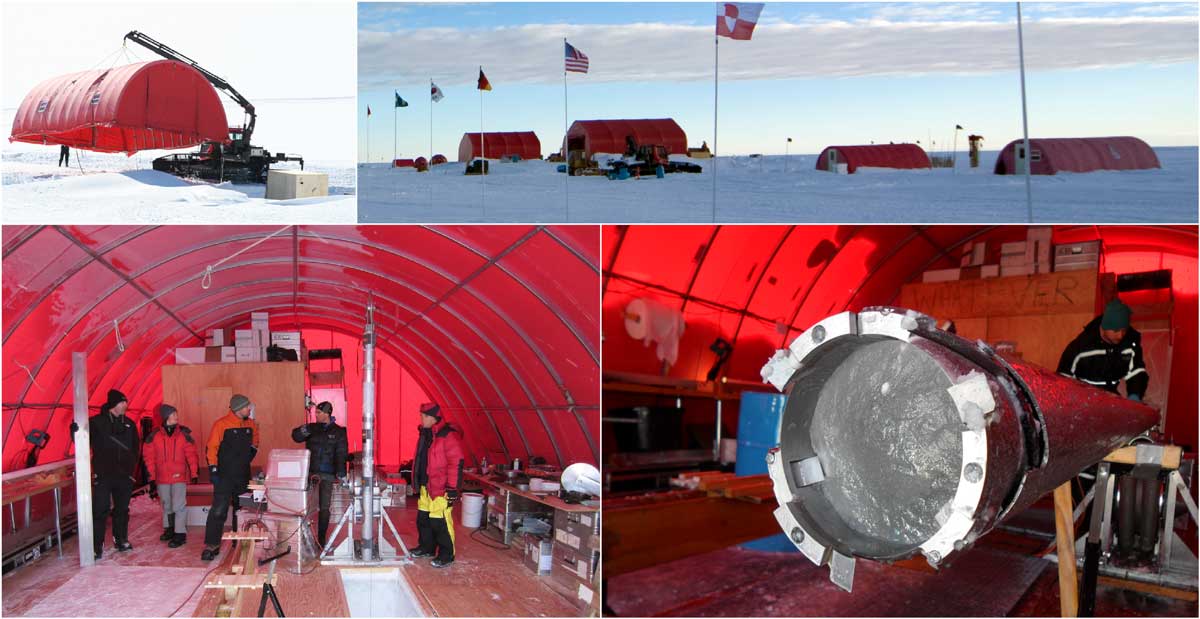
The North Greenland Eemian Ice Drilling (NEEM) project established a remote research camp on the Greenland ice sheet to study past climate conditions through deep ice core extraction. Operating in one of the harshest environments on Earth, the camp required reliable structures capable of supporting long-term scientific missions in extreme cold, wind, and isolation.
Pre-engineered fabric buildings from Alaska Structures® were used throughout the camp, including sleeping quarters, kitchen and dining facilities, laboratories, core storage, equipment enclosures, and custom dome structures. These buildings provided protected, controlled environments essential for personnel safety and the preservation of sensitive ice core samples. A key requirement of the project was that facilities be engineered for crane-lift capability, allowing structures to be repositioned or relocated efficiently as operational needs evolved on the ice sheet.
Designed for rapid deployment and performance in polar conditions, these structures supported years of continuous research—demonstrating durability, adaptability, and the ability to sustain complex scientific operations in one of the most remote regions on the planet.
Photos courtesy of the NEEM Ice Core Drilling Project, University of Copenhagen.
OLD VERO SITE | ARCHAEOLOGICAL RESEARCH FACILITY
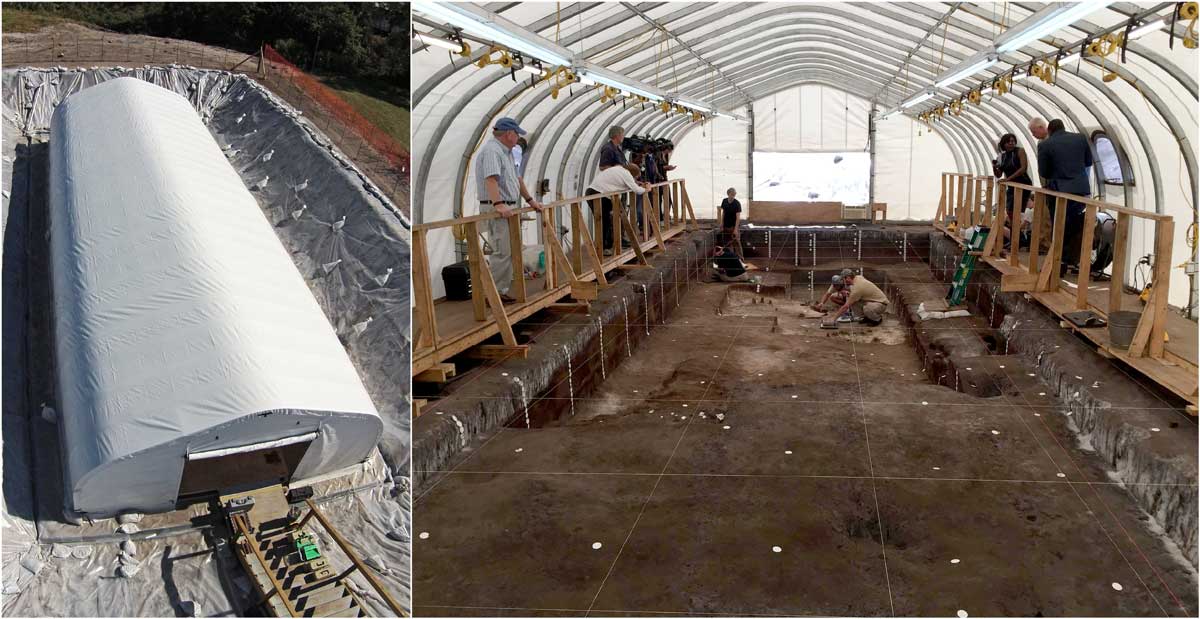
At the Old Vero archaeological site in Florida, researchers from Mercyhurst University required a controlled environment to protect an active excavation area containing historically significant human and faunal remains.
An HGB Series™ fabric building from Alaska Structures® was used to fully enclose the dig site, shielding it from weather, contamination, and environmental fluctuations. This allowed archaeologists to conduct precise excavation and documentation without interruption from environmental conditions.
The open-span interior provided unobstructed workspace for excavation teams, equipment, and mapping activities while maintaining consistent site conditions critical to preserving delicate artifacts. This project demonstrates how engineered fabric structures can support scientific discovery while protecting irreplaceable historical resources.
Photos courtesy of Mercyhurst Archaeological Institute.
TOOLIK FIELD STATION | ARCTIC RESEARCH HUB
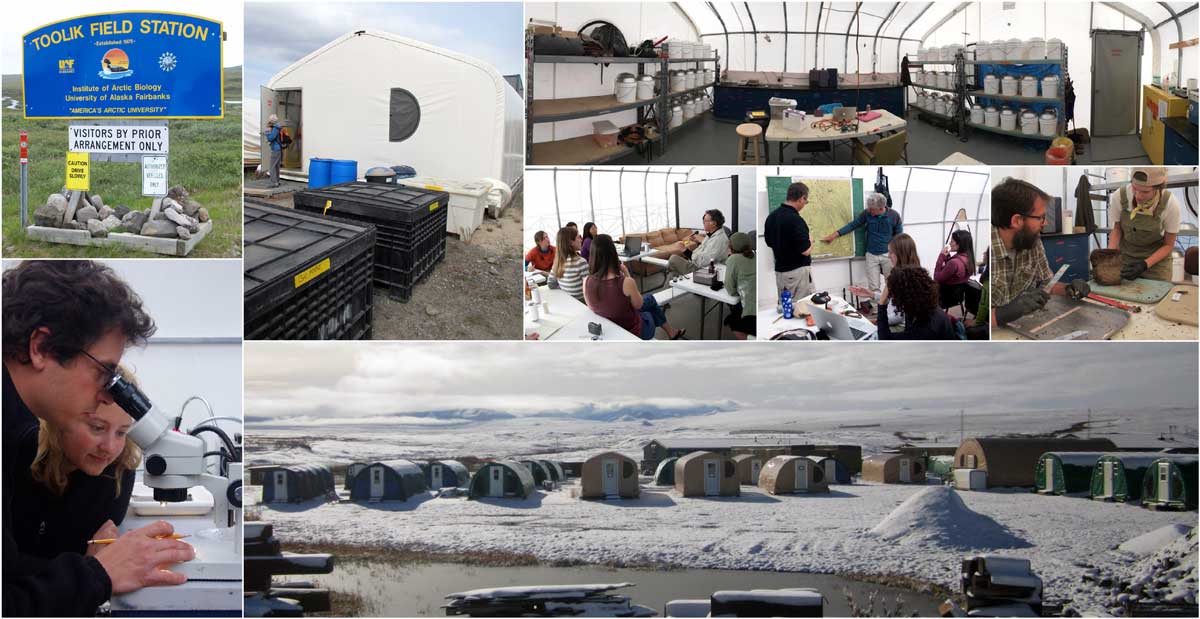
Operated by the University of Alaska Fairbanks, Toolik Field Station is one of the most advanced Arctic research facilities in the world, supporting long-term environmental and ecological studies in remote northern Alaska.
Fabric buildings from Alaska Structures® are used extensively across the station for laboratories, classrooms, housing, meeting spaces, tool and maintenance shops, and logistics operations such as shipping and receiving.
These heavy-duty fabric structures provide durable, weather-protected environments designed to withstand Arctic conditions while supporting year-round scientific work. Configurable with insulation and environmental control systems where required, they also serve as efficient, non-conditioned spaces for laboratories, storage, and field operations. Their modular design allows the facility to expand, adapt, and evolve alongside ongoing research programs—supporting multidisciplinary studies in one of the most sensitive ecosystems on Earth.
Photos courtesy of the Institute of Arctic Biology, University of Alaska Fairbanks.
MAUI FOREST BIRD RECOVERY PROJECT (MFBRP) | CONSERVATION FIELD CAMP
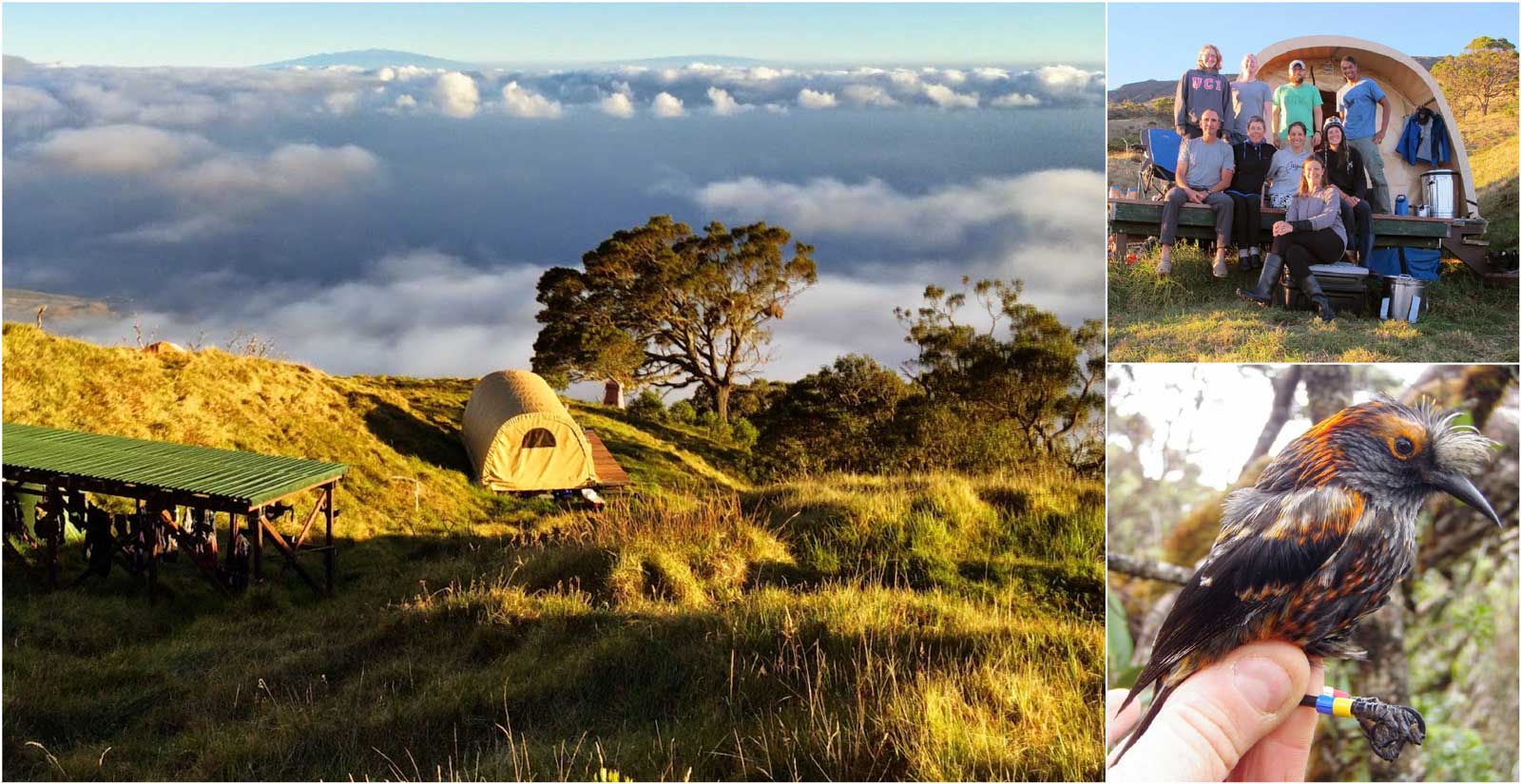
The Maui Forest Bird Recovery Project (MFBRP) operates in remote, high-elevation terrain on the slopes of Haleakalā, where teams work to protect critically endangered native bird species and restore fragile ecosystems.
Field camps constructed using XT Series™ fabric buildings from Alaska Structures® provided essential shelter for personnel, equipment, and supplies in a dynamic environment characterized by intense sun, heavy rain, fog, and cold nighttime temperatures. Equipment and materials were transported by helicopter, requiring lightweight, durable, and rapidly deployable structures.
These camps supported multi-day conservation missions, including habitat restoration, predator control, and ecological monitoring in remote locations with limited infrastructure. The portability and durability of the structures enabled safe operations while minimizing environmental impact.
Photos courtesy of the Maui Forest Bird Recover Project.
GREENLAND ICE SHEET DRILLING PROJECT | ADVANCED ICE CORE DRILLING OPERATIONS
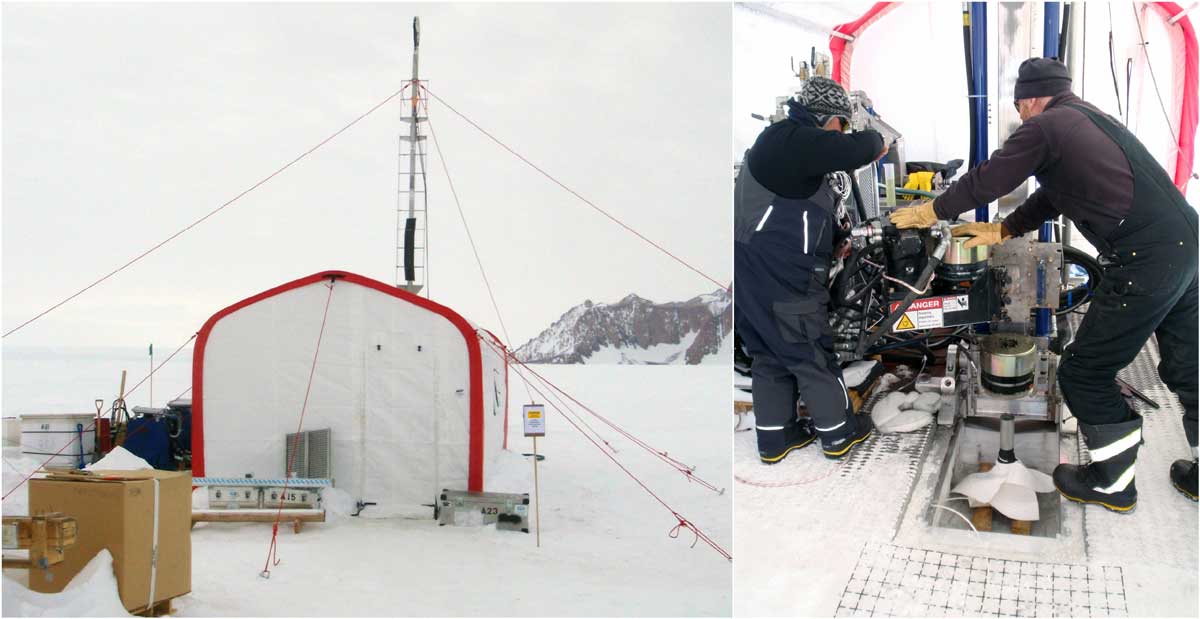
In a major scientific effort to better understand climate change and sea-level rise, researchers established a remote field camp on the Greenland ice sheet to drill through more than 1,600 feet of ice to reach ancient bedrock.
A GB Series™ fabric building from Alaska Structures® served as the drill enclosure, housing specialized drilling equipment and protecting operations from extreme cold, high winds, and severe weather conditions. The structure provided a controlled environment necessary for precision drilling and continuous operation in one of the most challenging environments on Earth.
This facility played a critical role in enabling deep ice core drilling operations, contributing valuable data to the study of long-term ice sheet behavior and global climate systems.
NATIONAL MARINE MAMMAL FOUNDATION | MARINE WILDLIFE REHABILITATION FACILITY, MEXICO
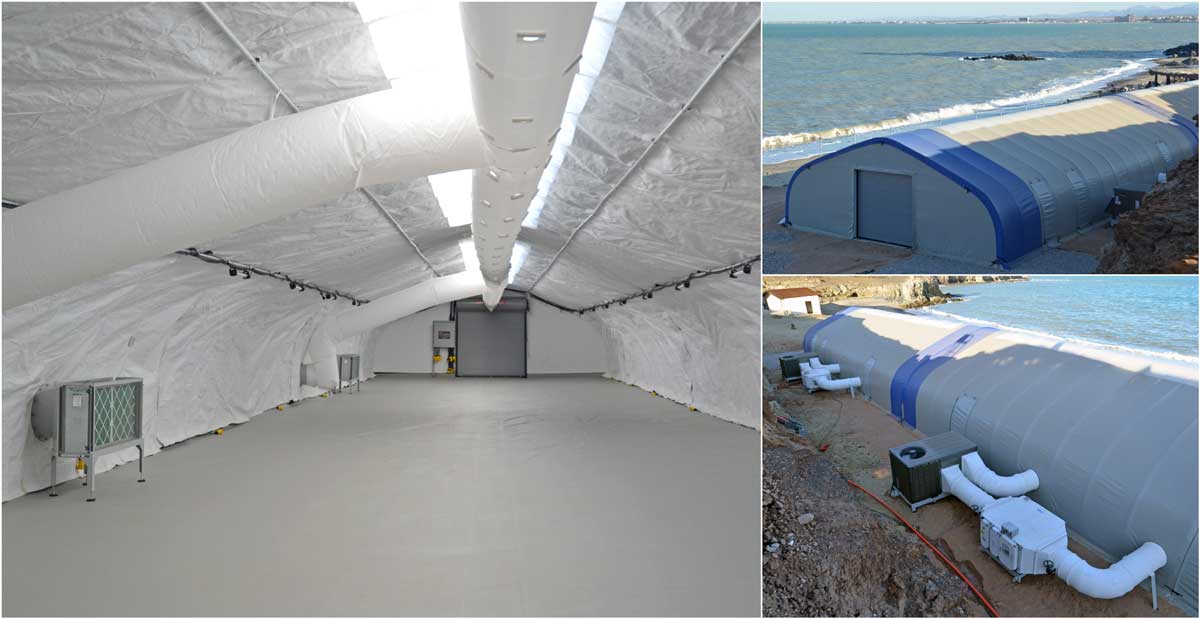
Following the 2017 VaquitaCPR rescue efforts, the National Marine Mammal Foundation supported the development of a dedicated indoor rehabilitation facility in La Paz, Baja California Sur—providing a critical, controlled environment for the care and recovery of endangered marine wildlife. Prior to this, rescued animals were housed in open bay enclosures and pens, limiting the ability to manage environmental conditions and deliver advanced medical care.
The rehabilitation center is 30′ wide, 120′ long, and utilizes an HGB Series™ fabric building from Alaska Structures®. It is engineered to house a specialized indoor rehabilitation area with three large pools (13,000–15,000 gallons each) connected to advanced aquatic life support systems. This enclosure enables veterinary teams to maintain optimal water quality and closely monitor animal health throughout the rehabilitation process.
The structure is equipped with dual 10-ton HVAC systems featuring HEPA filtration to remove airborne contaminants and maintain consistent interior conditions—an essential component in treating compromised marine animals. Engineered to withstand sustained winds of up to 150 MPH, the building provides a durable, climate-controlled environment capable of supporting critical rescue and rehabilitation operations in a coastal setting.
This project highlights the adaptability of engineered fabric buildings from Alaska Structures®, delivering purpose-built facilities that support highly specialized missions where environmental control, structural performance, and reliability are essential to success.
Photos courtesy of the National Marine Mammal Foundation.
Alaska Defense™ is now the military division of AKS Industries, Inc. You’ve
indicated your request is for a military requirement.
Please visit the Alaska Defense™ website (www.alaskadefense.com) for
military shelter systems and products.
SHARE YOUR CART