

Vehicle Storage and Maintenance Facilities for Fleet Operations
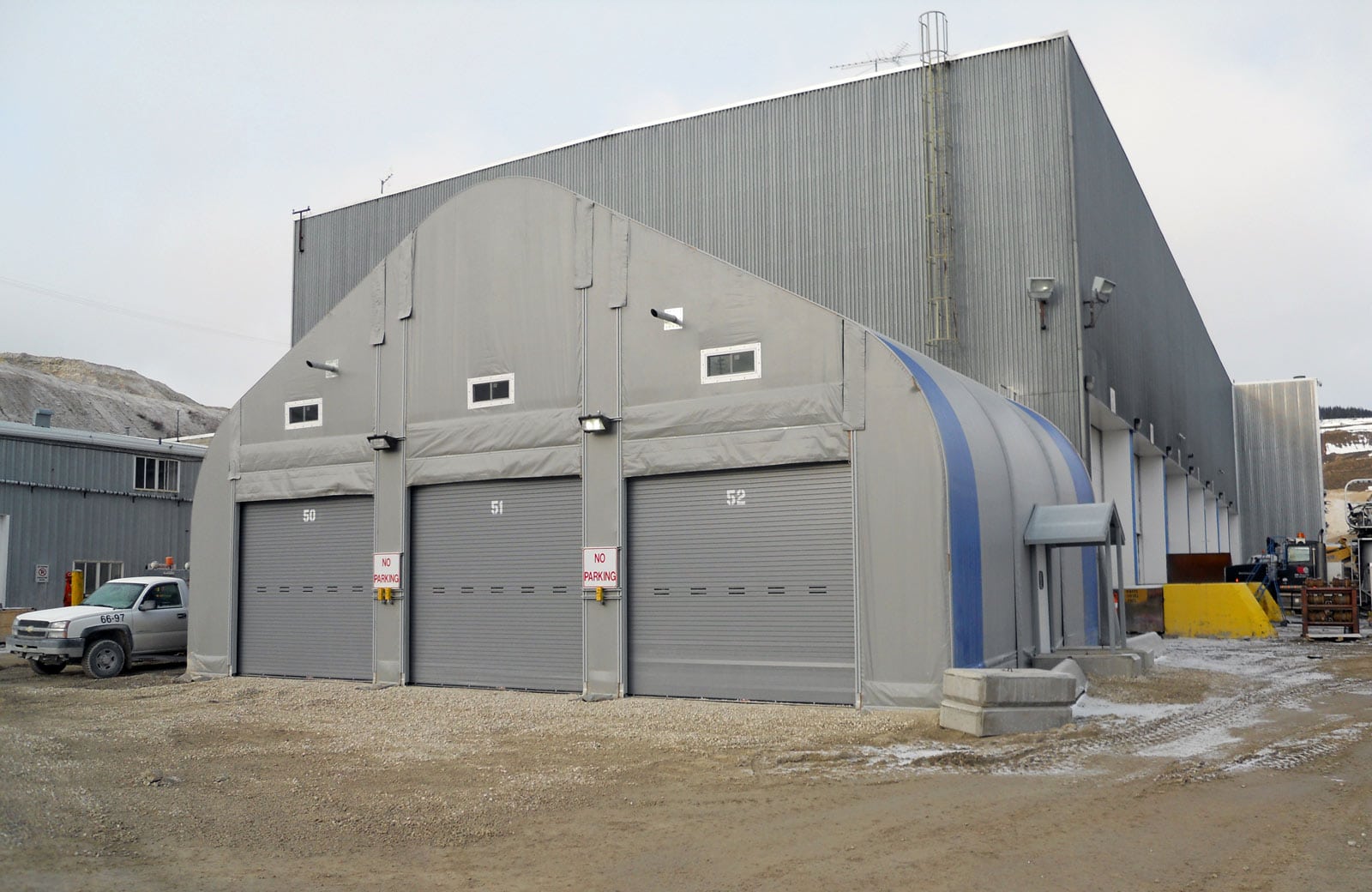
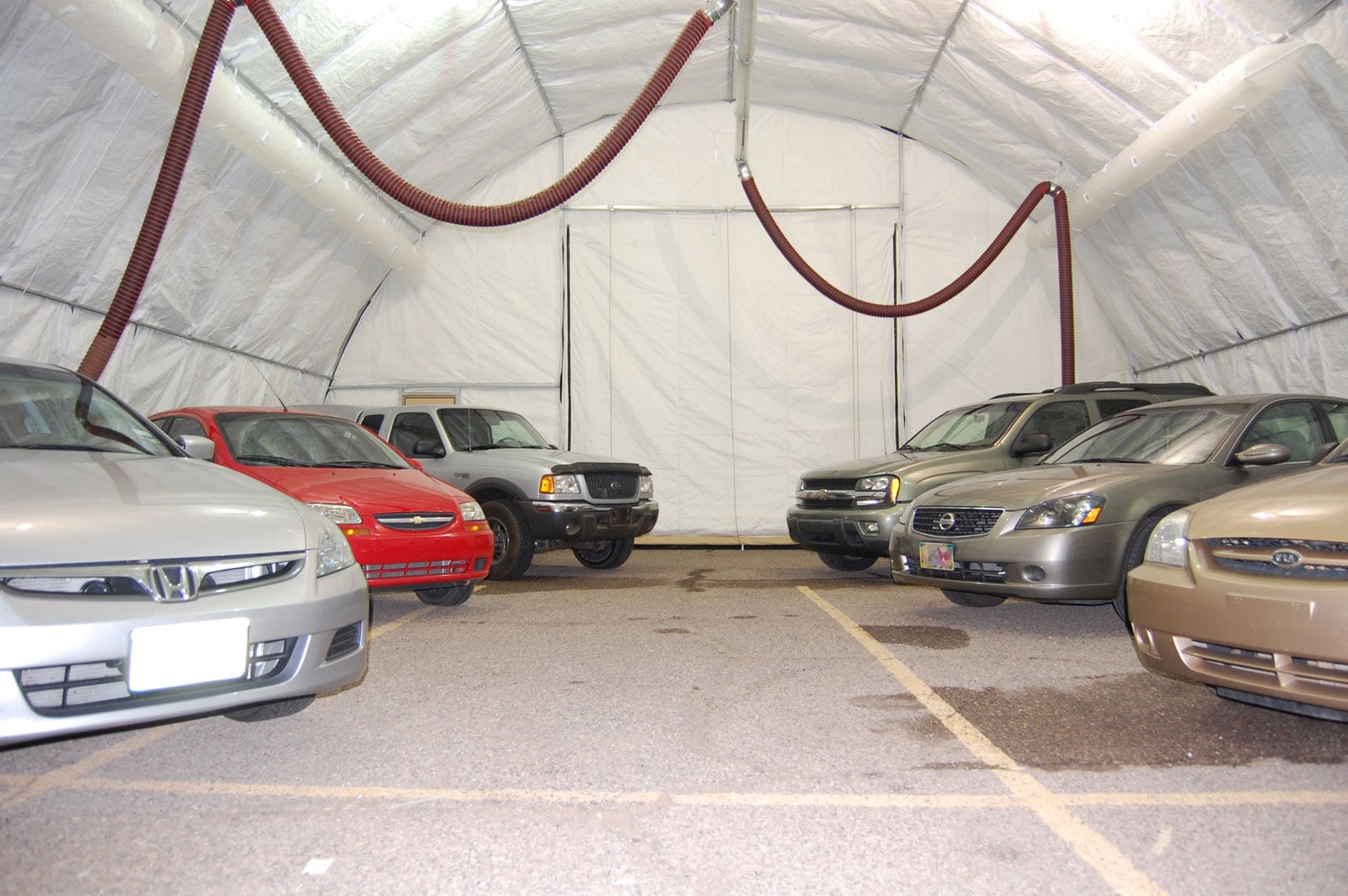
Vehicle storage and maintenance facilities play a critical role in protecting fleet assets, supporting routine maintenance operations, and ensuring reliable transportation and equipment readiness. Engineered fabric buildings from Alaska Structures® provide scalable, rapidly deployable facilities for storing, inspecting, servicing, and maintaining cars, pickup trucks, buses, vans, utility vehicles, emergency response vehicles, construction equipment, and other operational fleet assets.
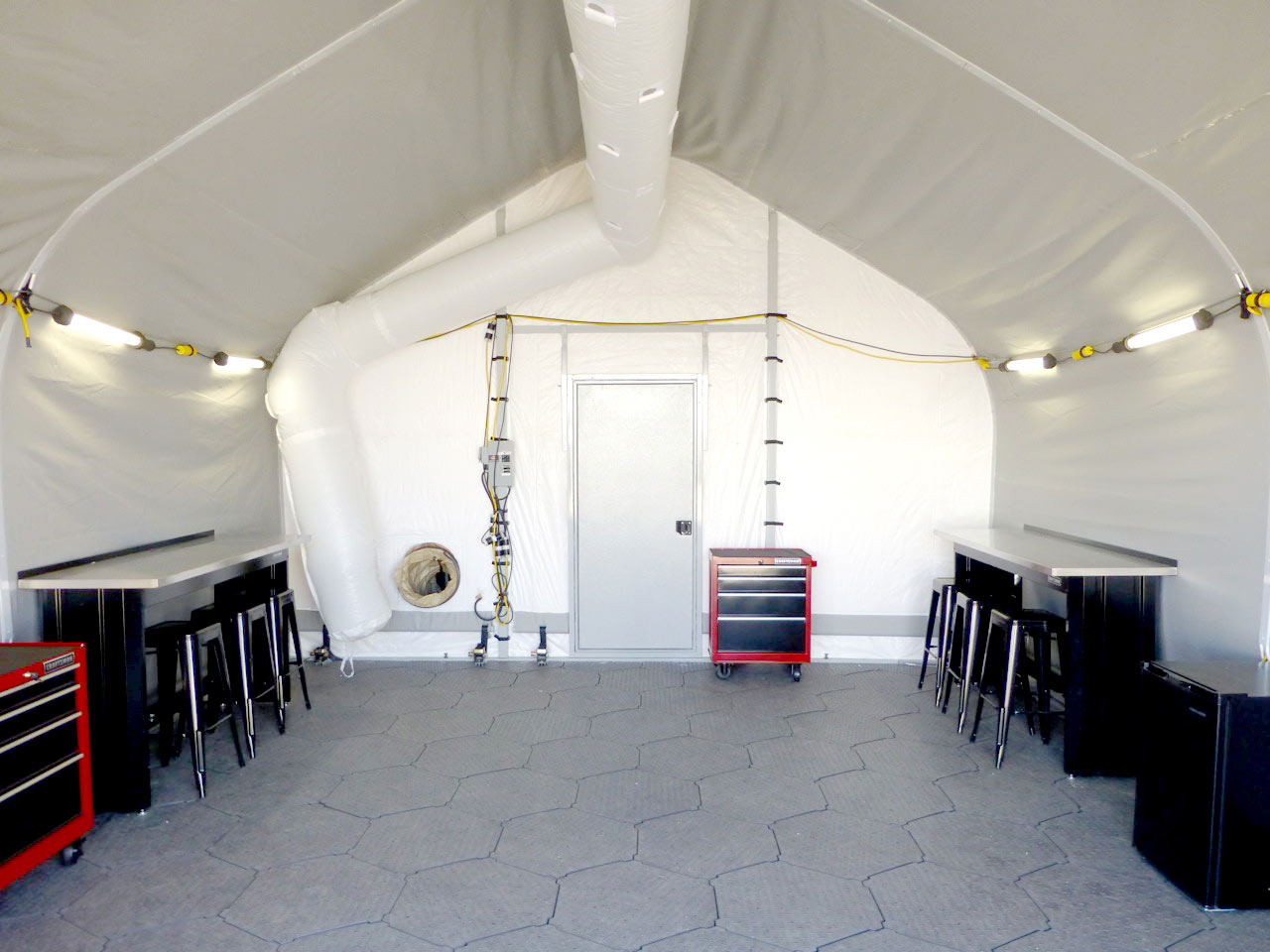
Unlike facilities designed specifically for oversized mining trucks and heavy industrial rebuild operations, these vehicle maintenance facilities are optimized for light- and medium-duty vehicle fleets, transit systems, public works departments, utility operations, construction companies, schools, municipalities, and industrial support operations. Large, open-span interiors, unobstructed by interior support columns, provide flexible workspace for vehicle storage, fleet maintenance, inspection bays, repair operations, and equipment servicing.
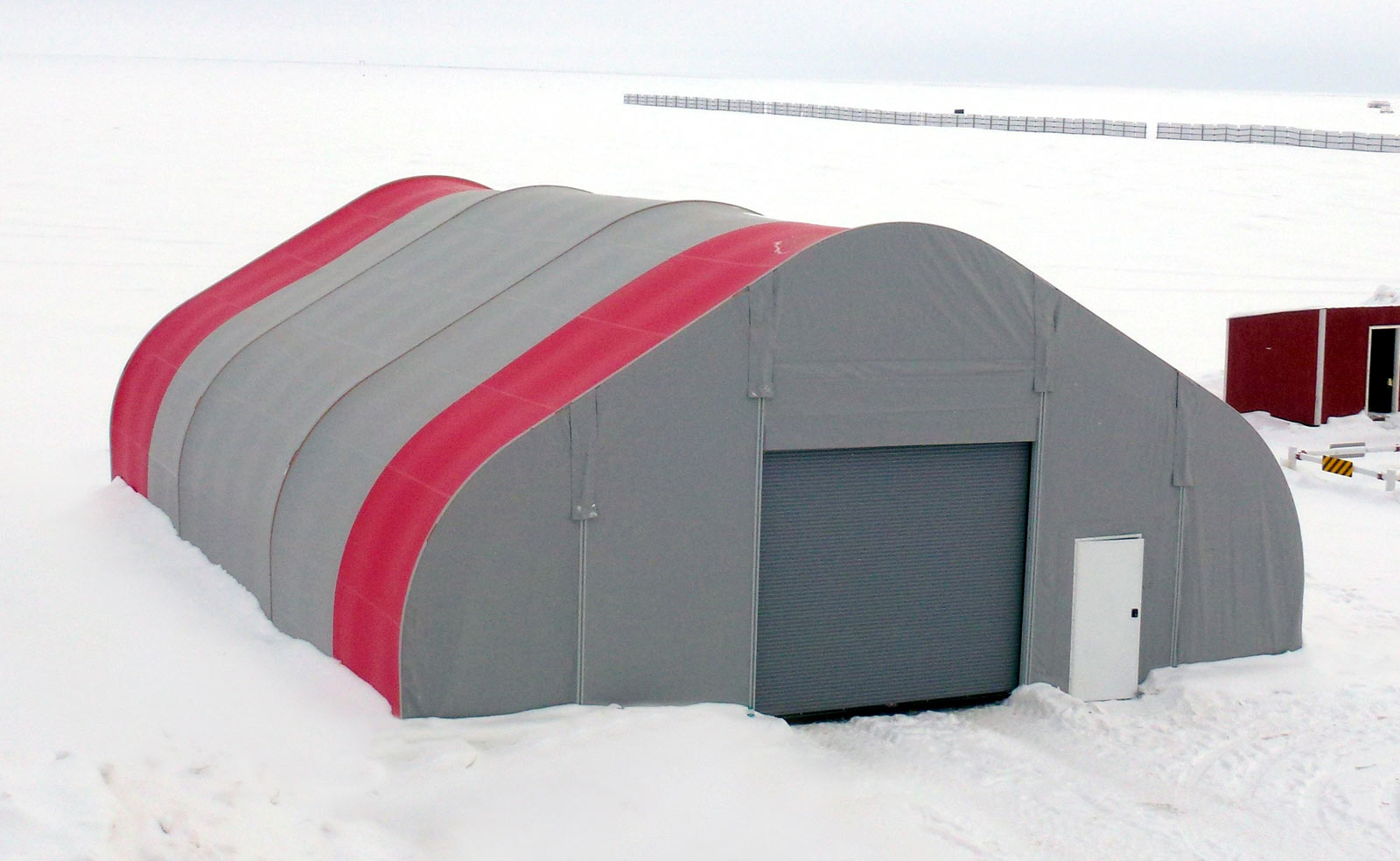
Designed to meet project-specific wind and snow loads in accordance with applicable building codes and environmental conditions, engineered fabric buildings from Alaska Structures® help provide safer, more durable, and more reliable fleet support facilities in nearly any environment.
Common applications include:
- Vehicle storage facilities
- Fleet maintenance facilities
- Bus maintenance buildings
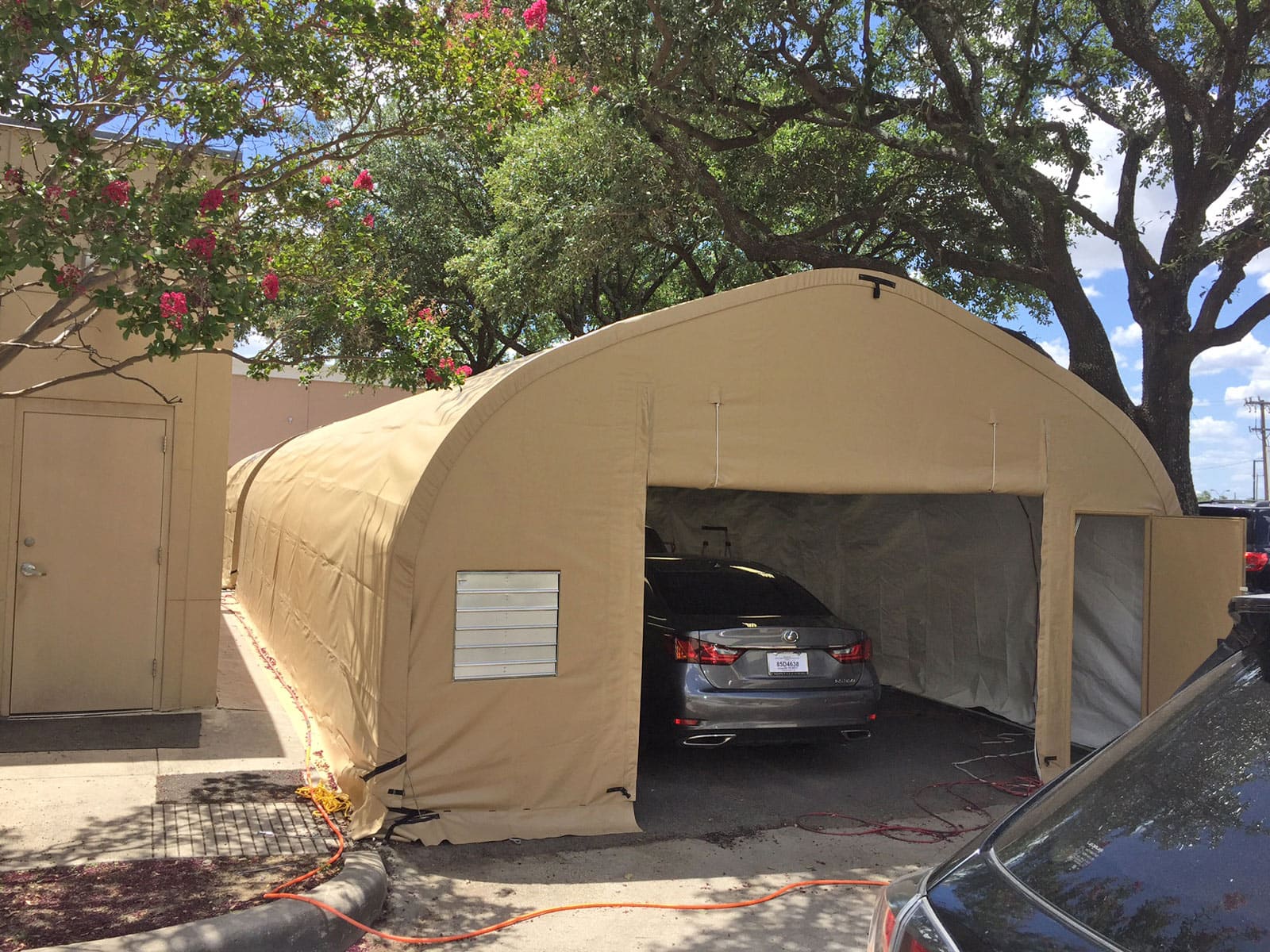
- Bus storage garages and bus barns
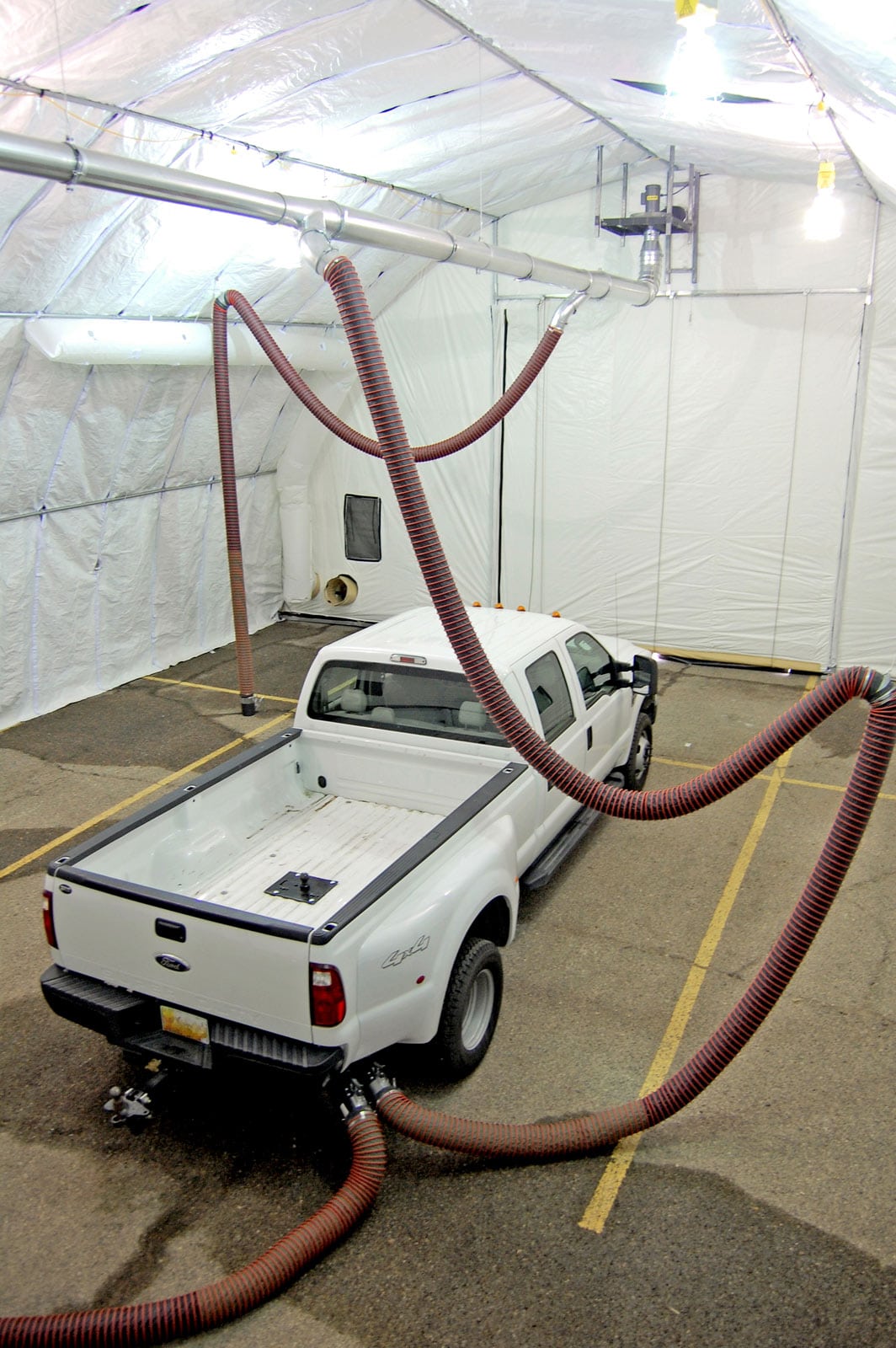
- Truck maintenance facilities
- Public works maintenance facilities
- Utility fleet maintenance buildings
- Municipal vehicle storage facilities
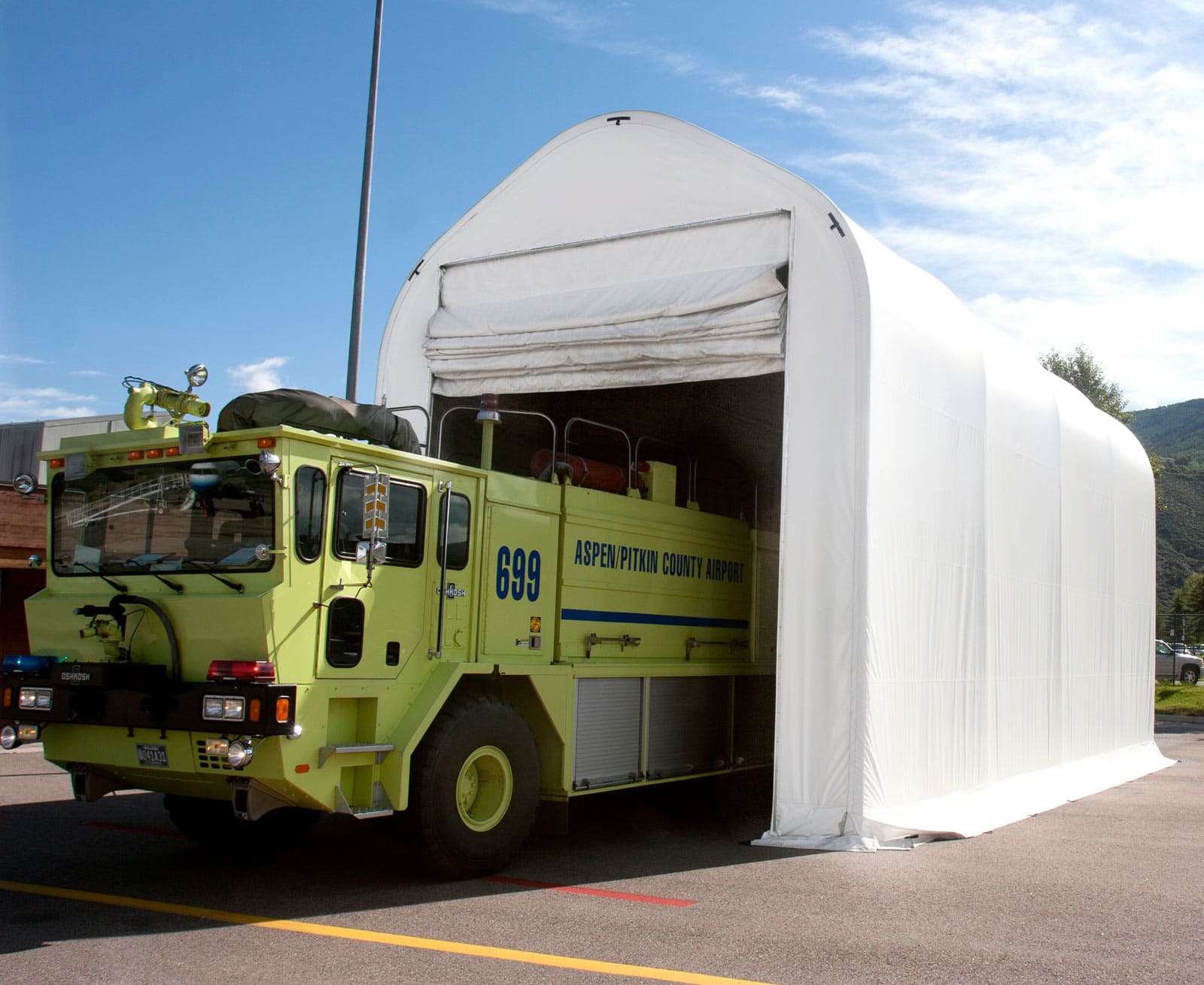
- Emergency response vehicle storage
- Vehicle inspection and service bays
- Equipment storage and maintenance facilities
- School district bus barns
- Construction vehicle maintenance facilities
- Truck wash and service facilities
- Transit operations and maintenance facilities
- Dispatch and fleet support facilities
- Light equipment repair facilities
- Transportation department maintenance facilities
Operational Benefits of Engineered Vehicle Maintenance Facilities
Vehicle fleets often serve as the backbone of daily operations for municipalities, utility providers, transportation departments, construction companies, schools, industrial facilities, and emergency response organizations. Engineered fabric buildings from Alaska Structures® provide adaptable maintenance and storage environments designed to help improve fleet organization, support efficient servicing operations, and protect valuable vehicles and equipment from environmental exposure.
Advantages of vehicle maintenance facilities from Alaska Structures® include:
- Improved Fleet Readiness: Support faster inspections, servicing, and maintenance activities to help keep vehicles operational and available for daily use.
- Covered Vehicle and Equipment Storage: Provide protected space for storing fleet vehicles, maintenance equipment, tools, and operational assets year-round.
- Flexible Interior Workspace: Open interior layouts allow facilities to be configured around maintenance bays, inspection areas, tool storage, washdown areas, and fleet support operations.
- Support for Year-Round Operations: Create sheltered maintenance environments that allow personnel to continue working during rain, snow, wind, heat, and other challenging weather conditions.
- Enhanced Interior Visibility: Optional daylighting systems help create brighter interior work environments while reducing daytime lighting demand.
- Adaptable Facility Configurations: Customize building dimensions, access points, and interior layouts to support buses, utility trucks, emergency vehicles, vans, pickups, and maintenance equipment.
- Reduced Site Disruption During Installation: Rapid installation timelines and adaptable foundation solutions help minimize operational interruptions during deployment.
- Long-Term Operational Flexibility: Facilities can be expanded, relocated, or repurposed as fleet sizes, maintenance requirements, or operational needs evolve.
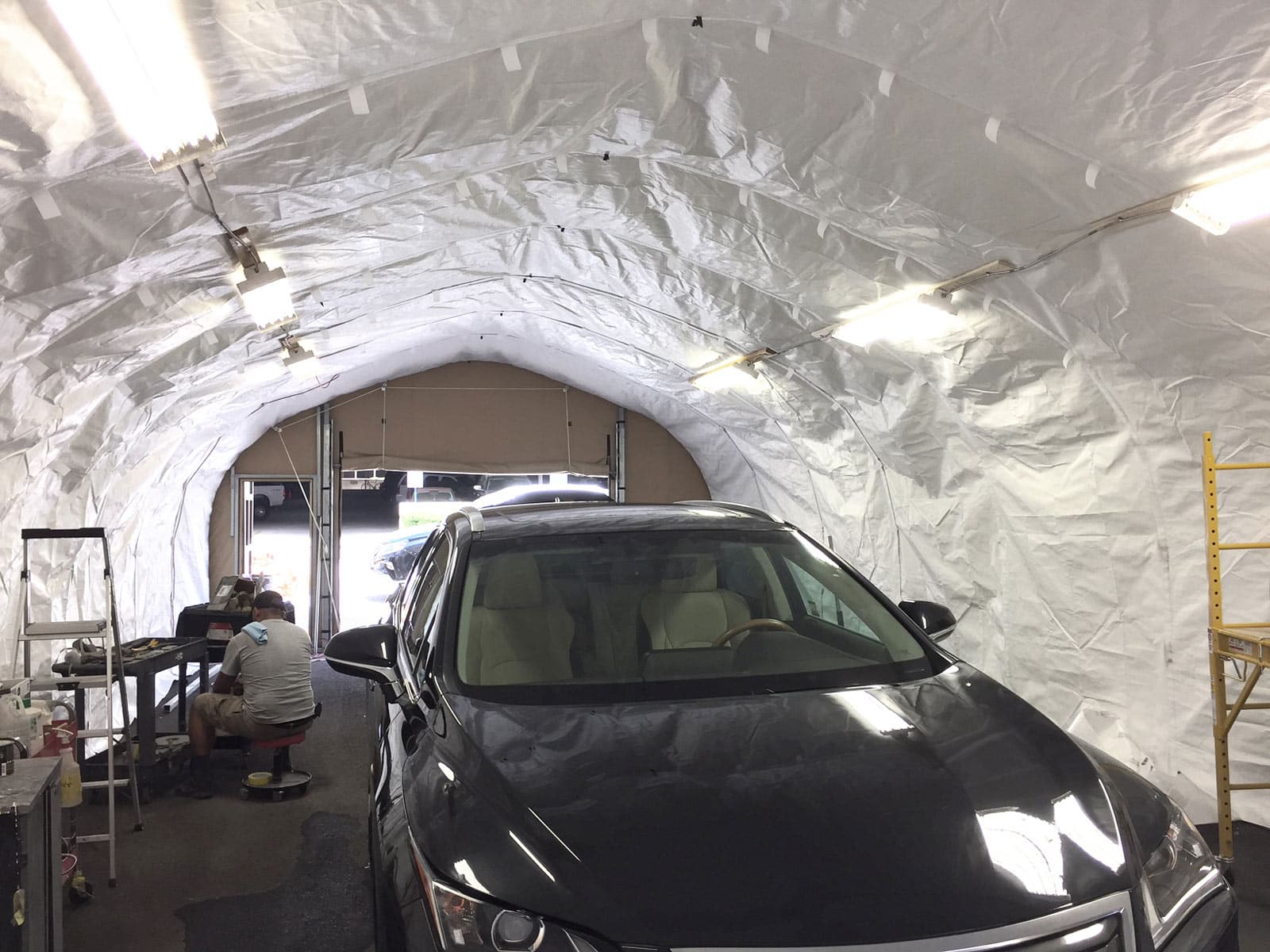
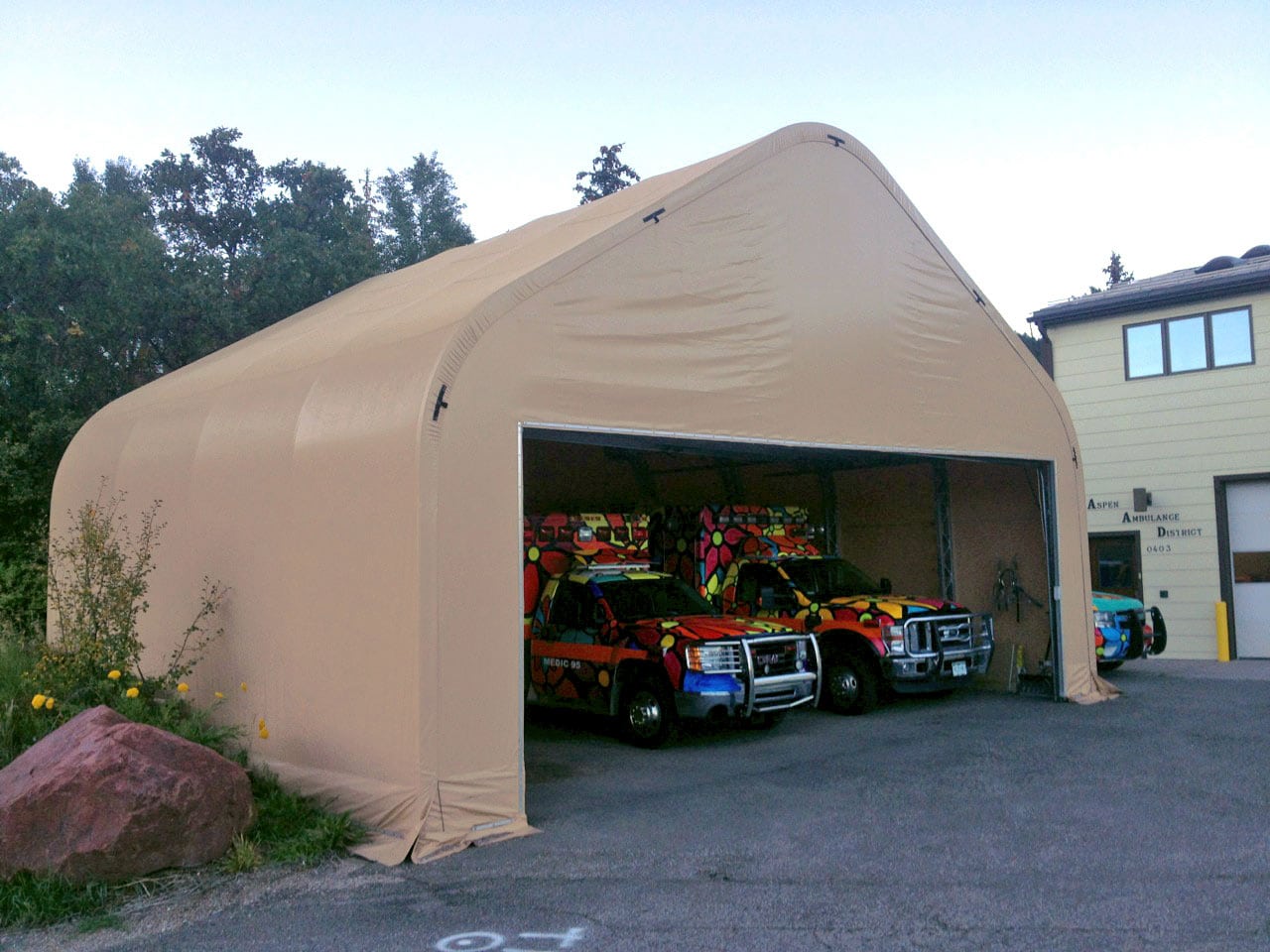
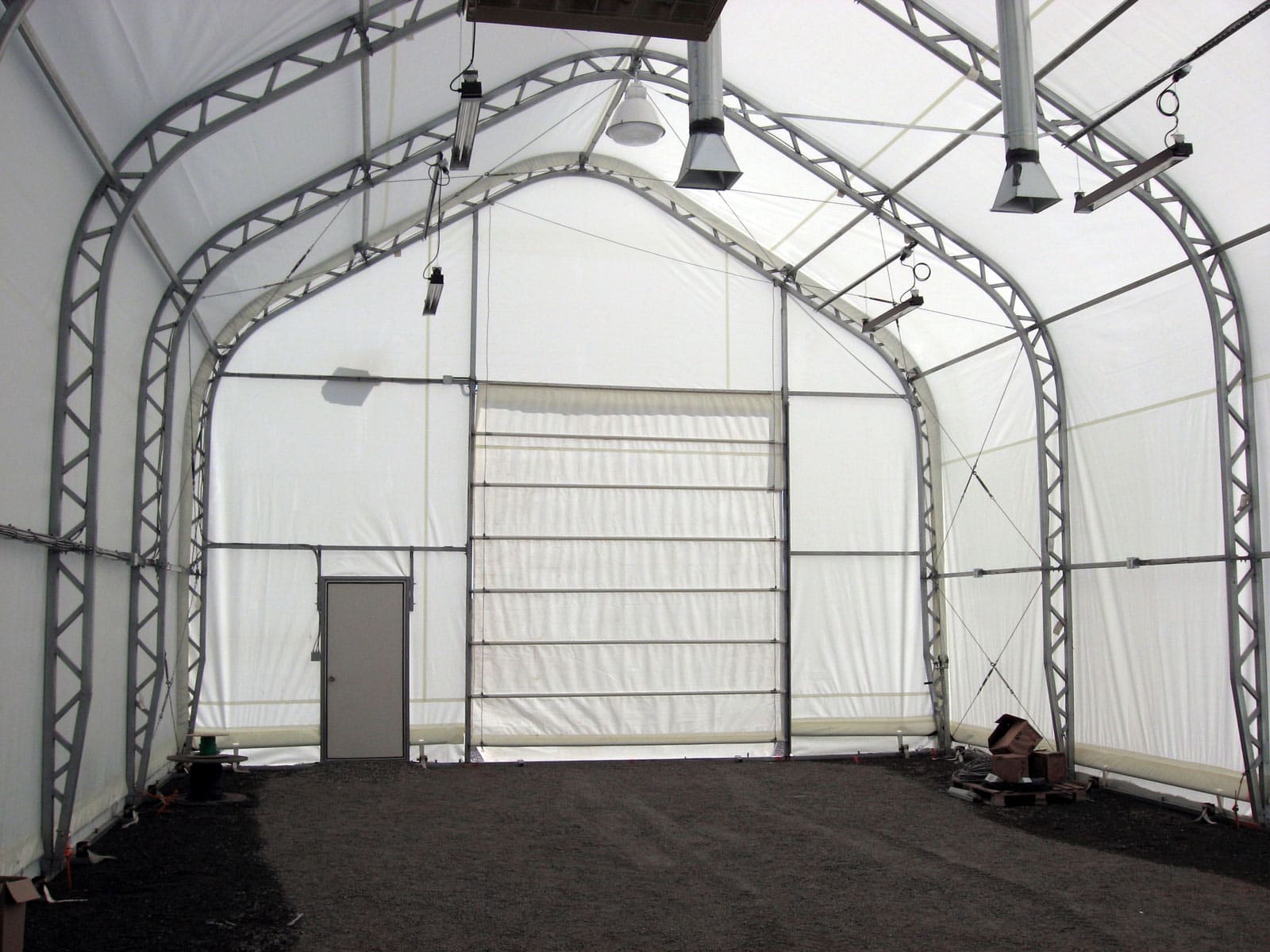
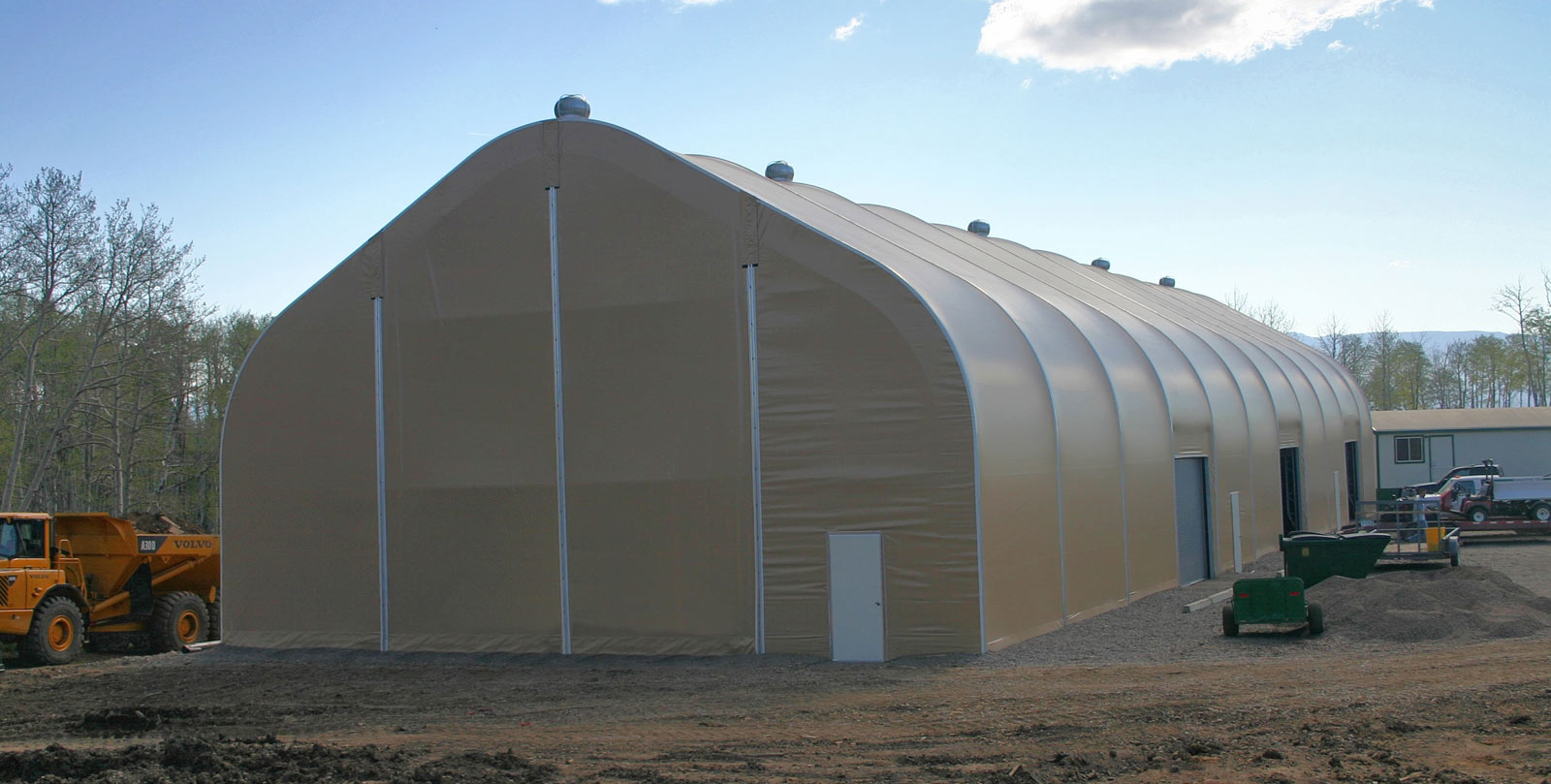
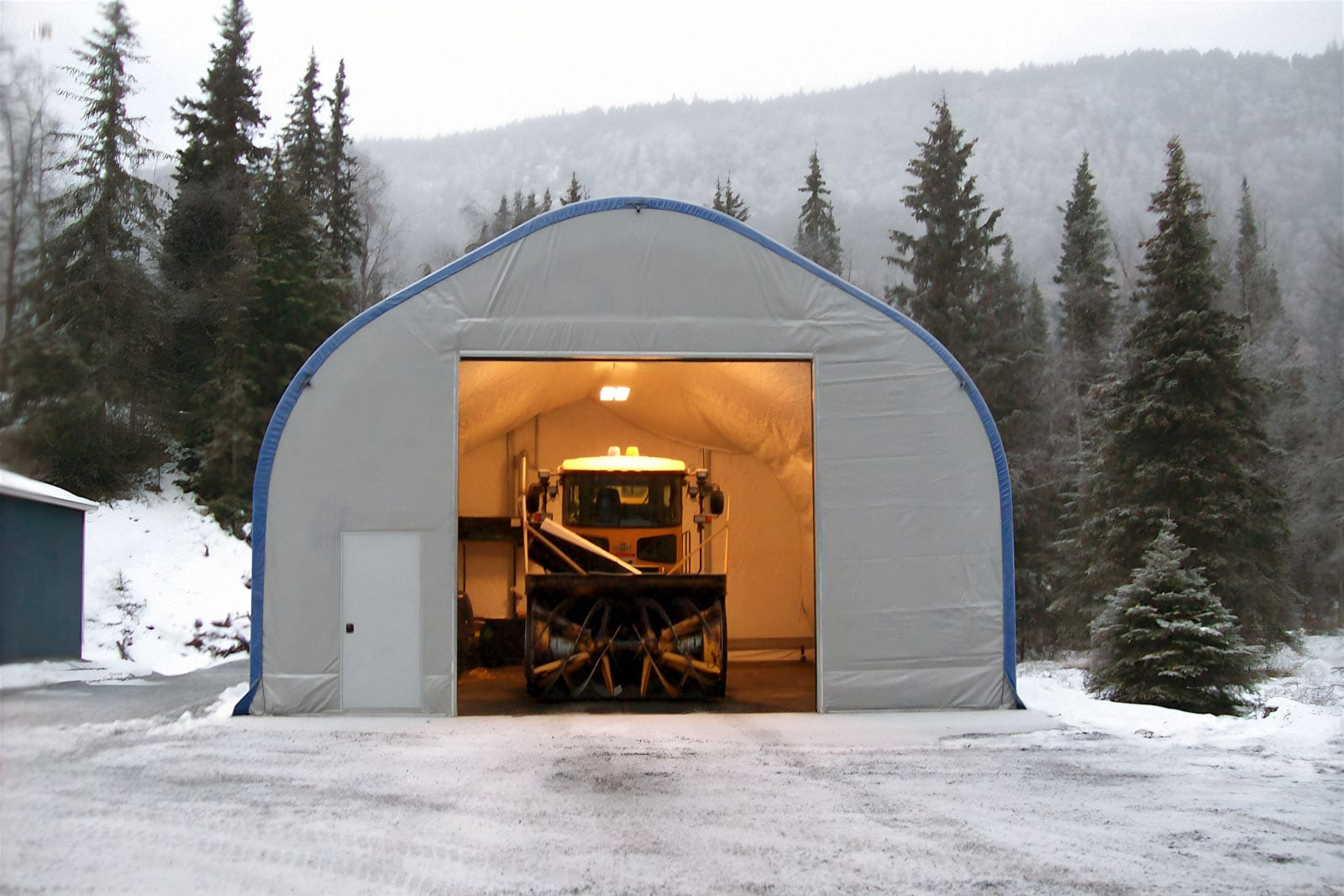
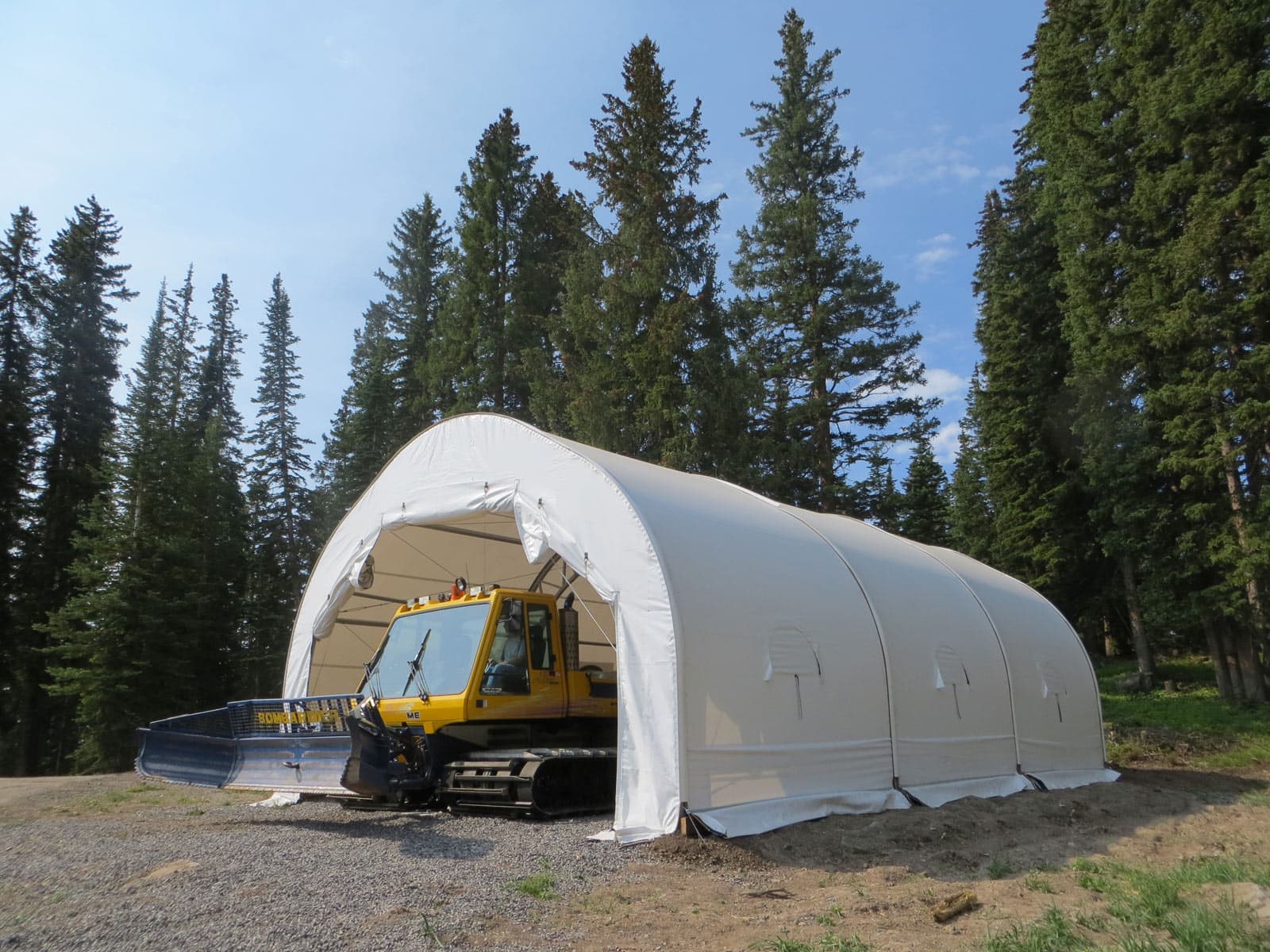
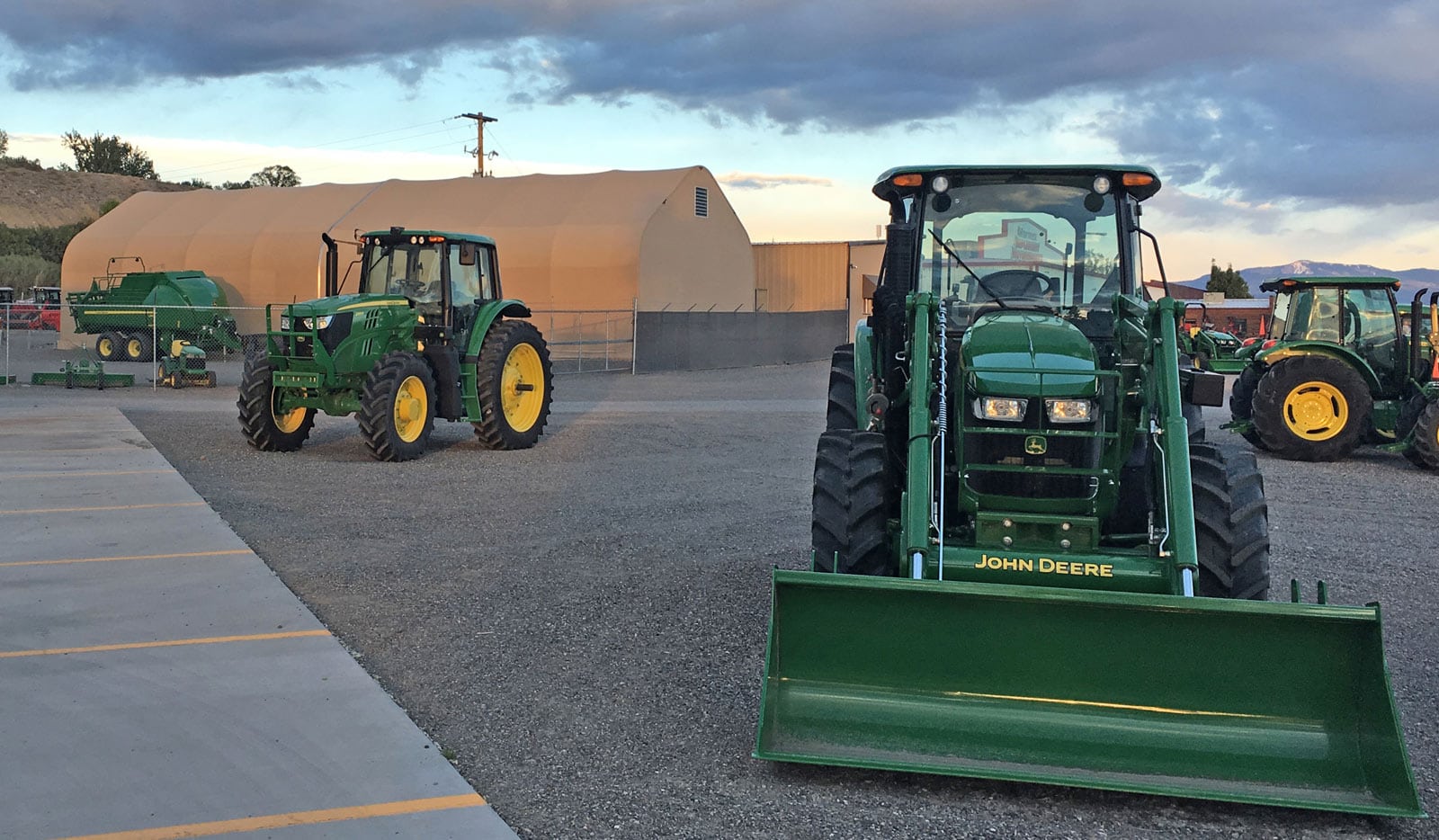
Gallery of Vehicle Storage and Maintenance Facility Projects
Additional Information for Consideration
Selecting the right vehicle storage or maintenance facility often involves evaluating structural engineering, environmental performance, operational workflow, scalability, and long-term durability. The following resources provide additional information to support your planning and evaluation process.
Alaska Defense™ is now the military division of AKS Industries, Inc. You’ve
indicated your request is for a military requirement.
Please visit the Alaska Defense™ website (www.alaskadefense.com) for
military shelter systems and products.
SHARE YOUR CART